
The sad death of the Church of England!
David Vance SubstackRead More
I suppose you could say that the Church of England had a decent run. Established in 1534 by the irascible Henry VIII it got to 2026 before it went full apostate!
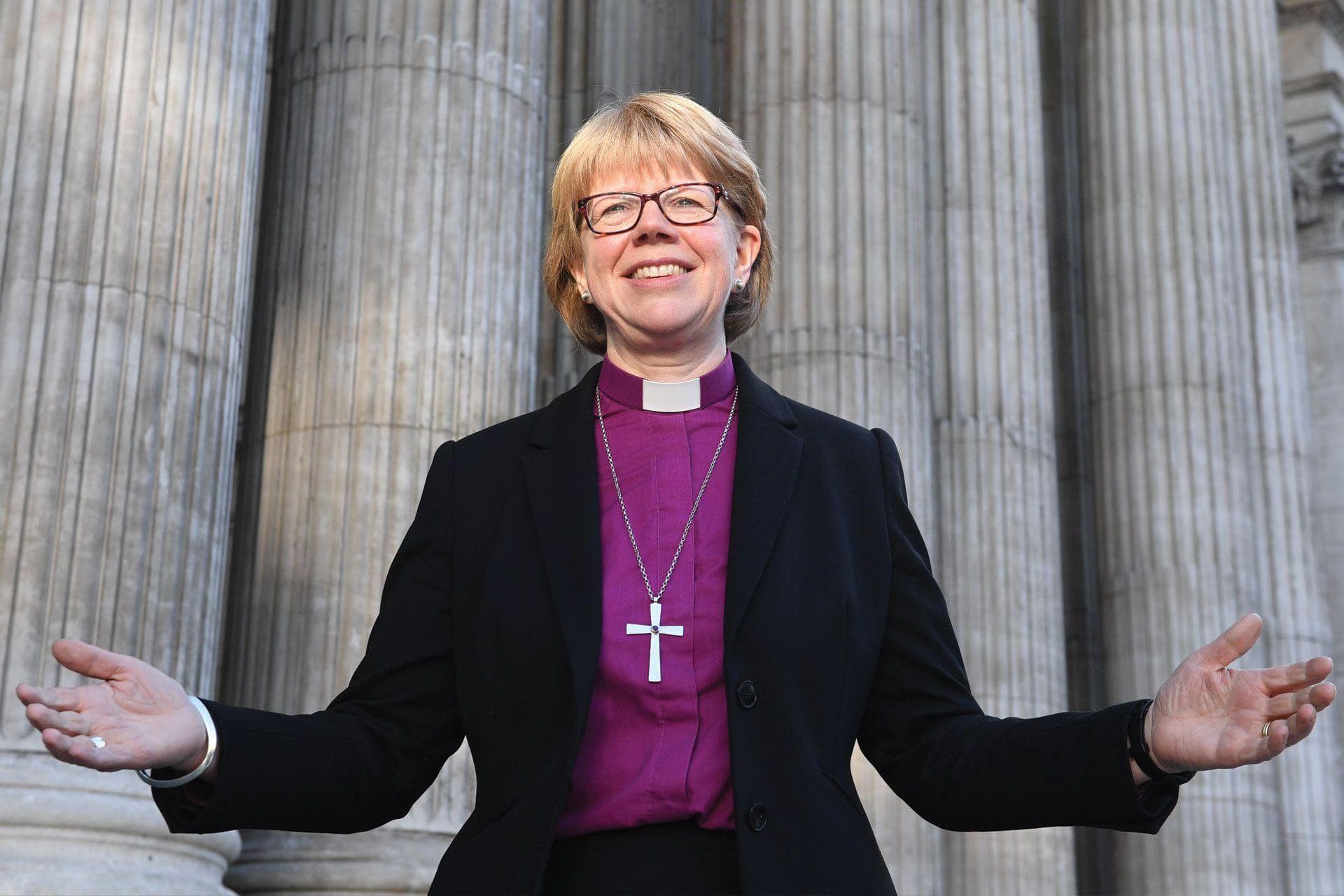
Sarah Mullally, the new Archbishop of Canterbury, embodies the theological and moral drift that has plagued the Church of England for the last several decades. She is the final boss level of the Archbishops of Canterbury. It may have started with Thomas Cranmer, but it’s ended with Mullally.
Her appointment is not really an isolated event. It’s just the culmination of a long process in which Scripture and historic Anglican doctrine have steadily been subordinated to the demands of modern Western culture. To many Anglicans, especially in Africa, Mulally does not represent renewal but the triumph of revisionism under the cloak of pastoral language. She is apostasy incarnate, hailed by the media but rejected by tradition and doctrine.
Core to this criticism is her stance on sexuality and marriage. The Church of England’s historic teaching, rooted in the Bible and reaffirmed for centuries, understands marriage as the lifelong union of one man and one woman, and sexual intimacy as reserved for that covenant. This was not even considered an issue until recent decades.
However, Mullally has aligned herself with those promoting same‑sex blessings and a “pastoral” accommodation that in practice undermines this doctrine while insisting that nothing has officially changed. When a bishop publicly supports liturgical innovations that contradict the plain sense of the church’, she is not adjusting tone; she is hollowing out doctrine while pretending to guard it. She’s a hypocrite.
Her defenders will appeal to compassion, inclusion, and listening, but this faux compassion is severed from all biblical truth. A bishop’s first duty is not to mirror modernity but to “banish and drive away all strange and erroneous doctrine contrary to God’s Word.”
To bless what God calls sin is not pastoral care; it is spiritual rebellion. By approving, or at least facilitating this trajectory, Mullally signals that Scripture’s authority is negotiable. But it’s not. Not in my book.
Her elevation to Archbishop also exposes the long‑standing concern over women’s ordination. For many Anglicans worldwide, the historic, universal practice of a male episcopate is not a mere cultural artifact but an expression of apostolic order.
The appointment of this woman as Archbishop of Canterbury, over the objections of large portions of the Communion, is not as generous act of diversity as the media presents it but rather a unilateral imposition. It confirms the suspicion that Canterbury now functions more as a woke English denomination.
The worldwide Anglican community is rejecting her Bishopric. They see in Mullally’s leadership a church that has chosen modern cultural approval over Biblical obedience. In short it is a heresy and unworthy of the term Christian, It is an apostasy!