
Who was Jack the Ripper?
David Vance SubstackRead More
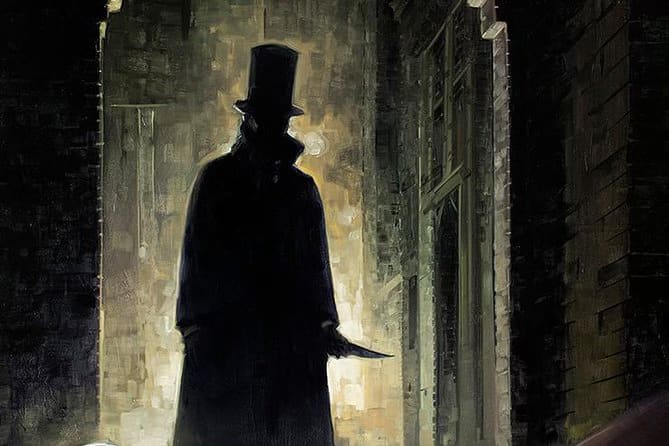
It’s an enduring mystery and it may never be solved! I am talking about the murders attributed to “Jack the Ripper” that took place in the east end of London, in and around Whitechapel, between 31 August and 9 November 1888. It’s always fascinated me. Who did it?
Many decades ago I remember reading a book about the topic and I suppose I was influenced by the conclusion. The author claimed the killer was a chap called Montague John Druitt.
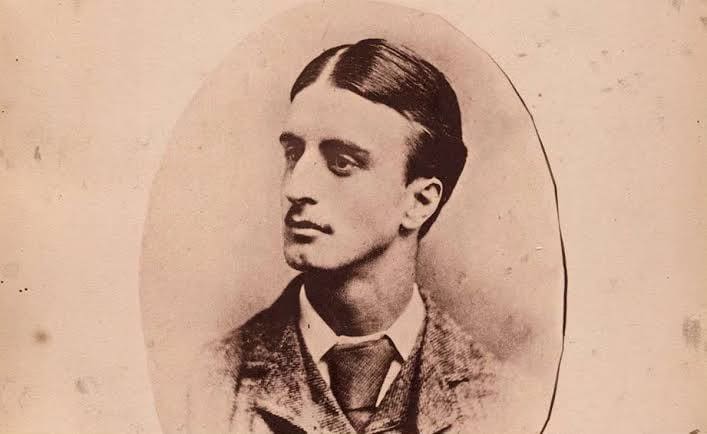
He was a barrister and assistant schoolmaster from a respectable upper-middle-class family. He was also the favoured suspect of Sir Melville Macnaghten, Assistant Chief Constable of the Metropolitan Police. He even named him in his 1894 memorandum as one of three likely culprits. Macnaghten described Druitt (incorrectly) as a doctor of about 41 from a good family who “disappeared at the time of the Miller’s Court murder” (That was Mary Kelly, November 9, 1888) His body was found in the Thames, implying suicide driven by guilt. Macnaghten claimed “private information” that Druitt’s own family suspected him and believed he was “sexually insane.” His father was a surgeon so he would have surely had some knowledge of surgery?
Druitt’s body was discovered floating in the Thames on December 31, 1888, with stones in his pockets; the inquest ruled suicide while of unsound mind. His death came shortly after the final canonical murder, which aligned with the sudden end of the killings. He matched some witness descriptions (respectable appearance, moustache, age around 30.
However, and this is annoying, the case against him is also quite weak: no direct evidence links him to Whitechapel; he lived in Blackheath (south-east London), far from the crime scenes; he had alibis for some murders (e.g., playing cricket on August 30, 1888); Macnaghten’s details were inaccurate (Druitt was 31, not a doctor); and Inspector Frederick Abberline (who led the investigation) dismissed the idea that police were convinced the Ripper was dead.
So that brings us to Aaron Kosminski! A Polish Jewish barber and Whitechapel resident, Kosminski was named in Macnaghten’s 1894 memorandum (alongside Druitt) and in private notes by Chief Inspector Donald Swanson.
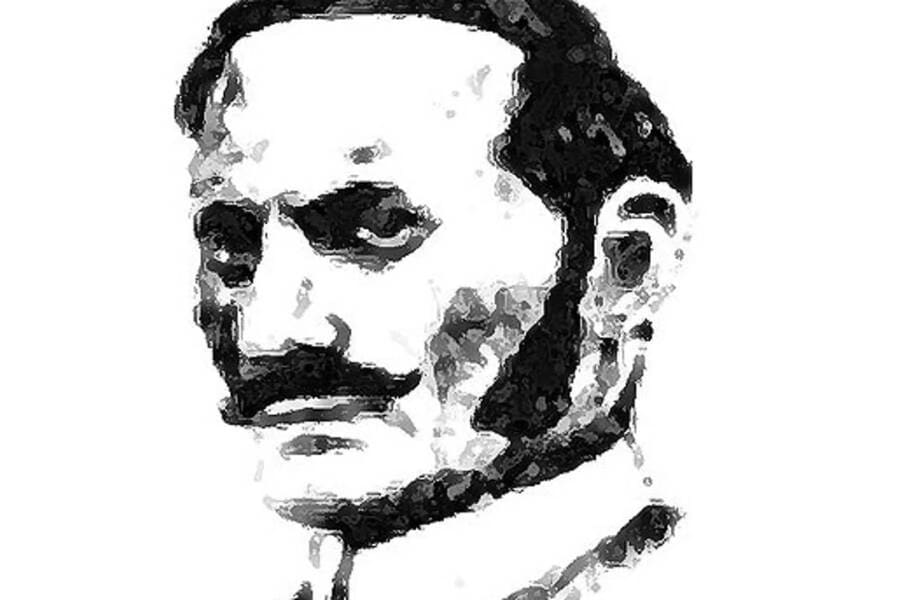
Swanson claimed a witness identified Kosminski but refused to testify against “a fellow Jew.” Kosminski lived locally, showed signs of mental illness (paranoia, fear of being poisoned), and was committed to an asylum in 1891. Some modern DNA analysis on a shawl linked to victim Catherine Eddowes has pointed to him although I would question how legitimate that would be.. Sir Robert Anderson (former head of CID) believed the killer was a low-class Polish Jew institutionalized after the crimes. Kosminski fits the profile of a local, unstable resident better than outsiders.
There is a third candidate for Jack in the form of George Chapman (Severin Klosowski) A Polish barber-surgeon who poisoned three wives in the 1890s–1900s (hanged in 1903), Chapman was Inspector Frederick Abberline’s favoured suspect later in life.
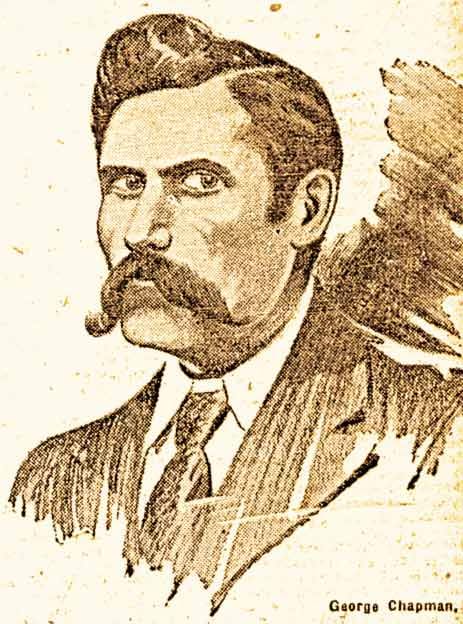
Abberline noted Chapman’s surgical skills (relevant to the Ripper’s anatomical knowledge) and his residence in Whitechapel during 1888. His later methodical killings contrasted with the Ripper’s frenzied style, but some people argue that serial killers can evolve their methods. He remains a popular theory due to Abberline’s endorsement.
Other possible suspects (e.g., Michael Ostrog, Francis Tumblety, or modern ones like Walter Sickert) have been proposed, but the above three appear most frequently in official police documents and major Ripper sources. Then again, it could be someone we don’t even know existed.
I remember when I lived in England and used to go to London most weekends. I always fancied going on a Ripper tour but never quite got round to it. So much of the crime scenes have changed beyond all recognition but at the heart of this lies the fact that during that time several women met untimely and terrible deaths.
The final canonical victim, Mary Kelly, was basically dissected in horrible ways. What sort of madman would do that? Maybe it’s the name of the killer “Jack the Ripper” that has stuck to these murders and their strange start and end that captures the imagination!