
The Saudi Conundrum!
David Vance SubstackRead More
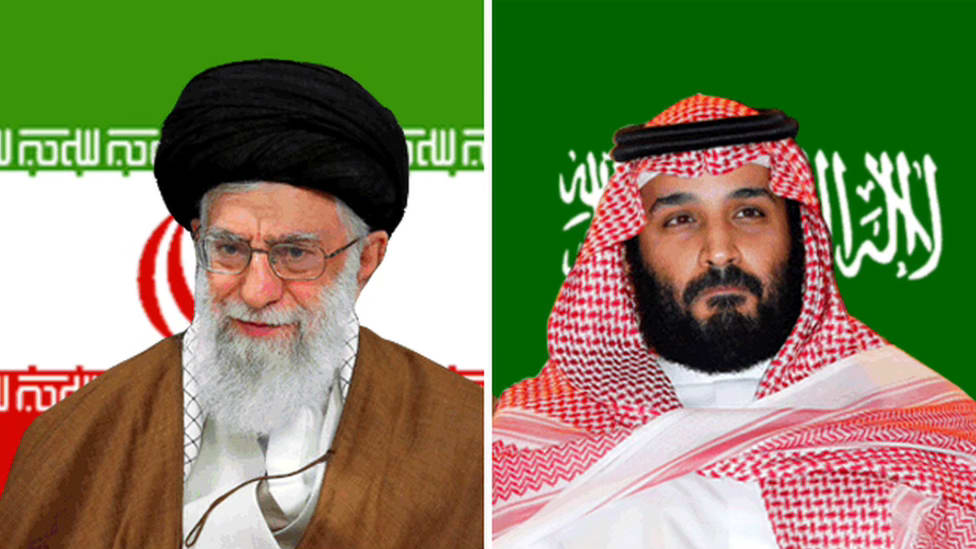
I am sure you may have seen recent reports that suggest that Saudi Arabia refused to permit U.S. military aircraft to overfly its territory en route to potential operations involving Iran. This decision conveyed directly to the Mullahs in Tehran, underscores Riyadh’s determination not to participate in or facilitate any military action against its longtime regional rival.
Why? Superficially, it appears counterintuitive.
Saudi Arabia (predominantly Sunni muslim) and Iran (predominantly Shia muslim ) have long been viewed as ideological adversaries, locked in perpetual proxy conflicts across the Middle East.
Yet, in 2026, Riyadh’s prioritises fiscal stability over confrontation. You see the core issue here lies in the global oil market and it is this I want to explore with you.
Stick with me as it will make sense!
Saudi Arabia’s budget relies heavily on crude oil revenues to sustain its extensive welfare system and ambitious diversification initiatives. Oil prices below approximately $94 per barrel already strain the kingdom’s finances, creating deficits that challenge long-term solvency. It needs this level per barrel and above.
A resolution of tensions with Iran—or the lifting of U.S.-led sanctions—could dramatically alter this equation. Estimates suggest that sanctions relief might release up to 160 million barrels of Iranian oil currently held in floating storage, flooding the market almost immediately. This in turn would be followed by an increase in Iranian production of 1–2 million barrels per day. Such a massive influx would likely depress global oil prices significantly, potentially pushing Brent crude toward $40 per barrel or lower. At that level, Saudi Arabia’s fiscal model becomes unsustainable, exacerbating existing deficits projected around $44 billion in 2026.
Now can you see why the Saudis stand with the Mullahs?
Compounding this is a surge in non-OPEC+ supply slated for 2026, often termed the “wall of supply.” Key contributors here include:
-
Brazil: +400,000 barrels per day (breakeven around $35 per barrel)
-
Guyana: +200,000–250,000 barrels per day (breakeven $35–45)
-
Canada: +200,000 barrels per day (breakeven around $45)
-
U.S. and others: +200,000 barrels per day (breakeven around $40)
This new production, which is roughly 1 million barrels per day, is cheaper and more competitive than any Saudi output. It will capture projected global demand growth while limiting Riyadh’s ability to offset price declines through production cuts—doing so would simply cede market share to these lower-cost producers. It really is a problem for the Saudis!
To navigate this, Saudi has adopted defensive financial measures. In January 2026 alone, the kingdom issued approximately $11.5–12 billion in international bonds, oversubscribed amid strong investor demand. It has also pursued further sales of Aramco shares to bolster liquidity.
Meanwhile, flagship Vision 2030 projects face reversal: do you remember NEOM’s ambitious “The Line” city?
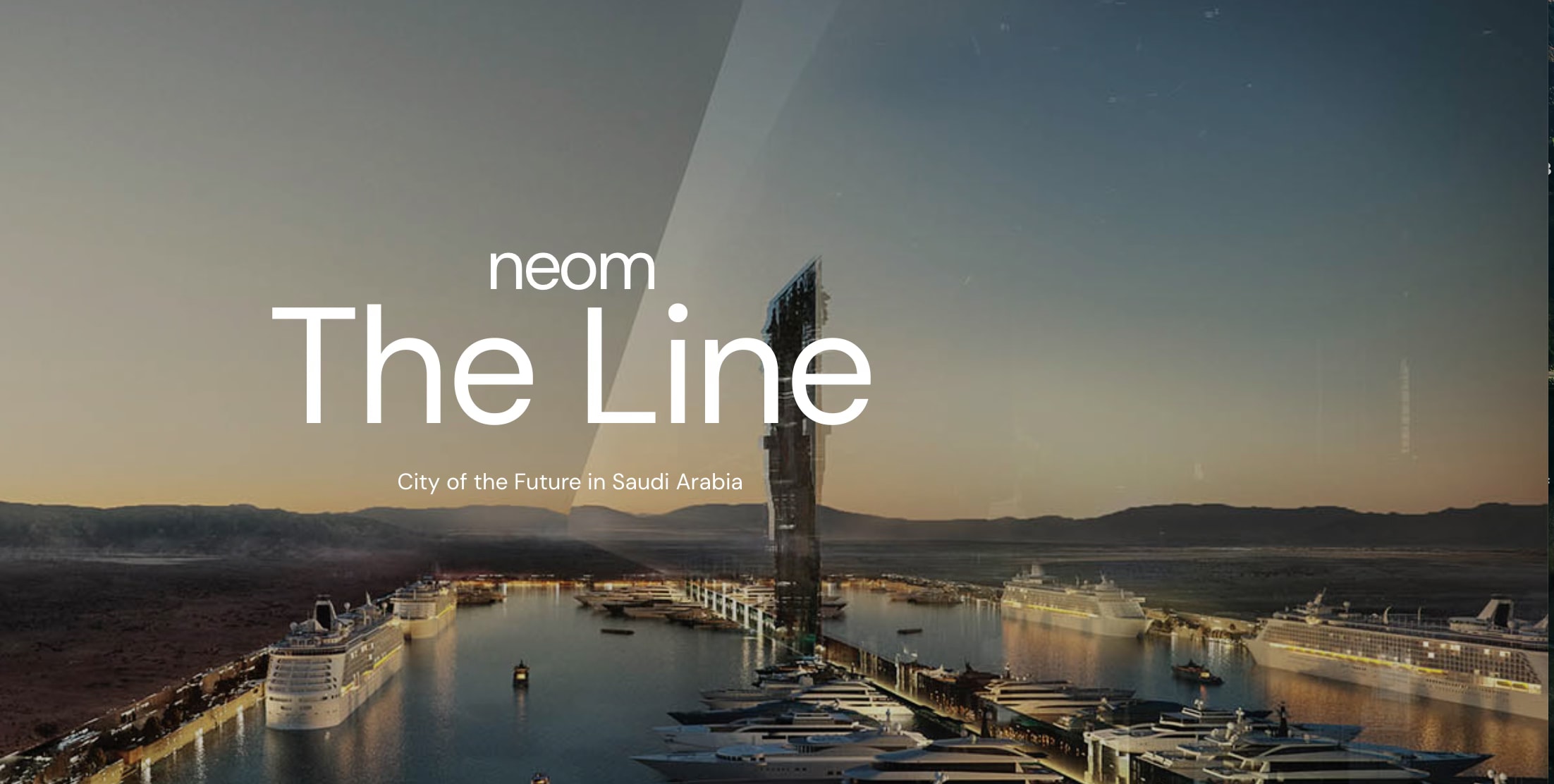
It was originally envisioned as a 170-kilometre linear metropolis, but it has been scaled back dramatically to a 2.4-kilometre segment, reflecting budget constraints and shifting priorities!
Against all of this, the Riyadh regime seeks neither full-scale war with Iran nor a sanctioned-free peace that unleashes Iranian oil. The status quo—continued isolation of Iran through sanctions—preserves a delicate balance that safeguards Saudi solvency. The removal of the Mullahs in Iran does not suit Saudi ambitions. You hear a lot of political commentators talking about Sunni-Shia enmity but this ignores the more immediate need for economic survival in a glut-prone oil era. What we are seeing from the Riyadh regime is pure pragmatism. Fiscal imperatives trump traditional rivalries!