
The Ritual of humiliation…
David Vance SubstackRead More
Just what is it about those who reach the highest levels in the celebrity world? What exactly do they have to sacrifice to obtain their positions of fame? Can it be a coincidence that so many of them embrace the LGBTQ+ agenda?
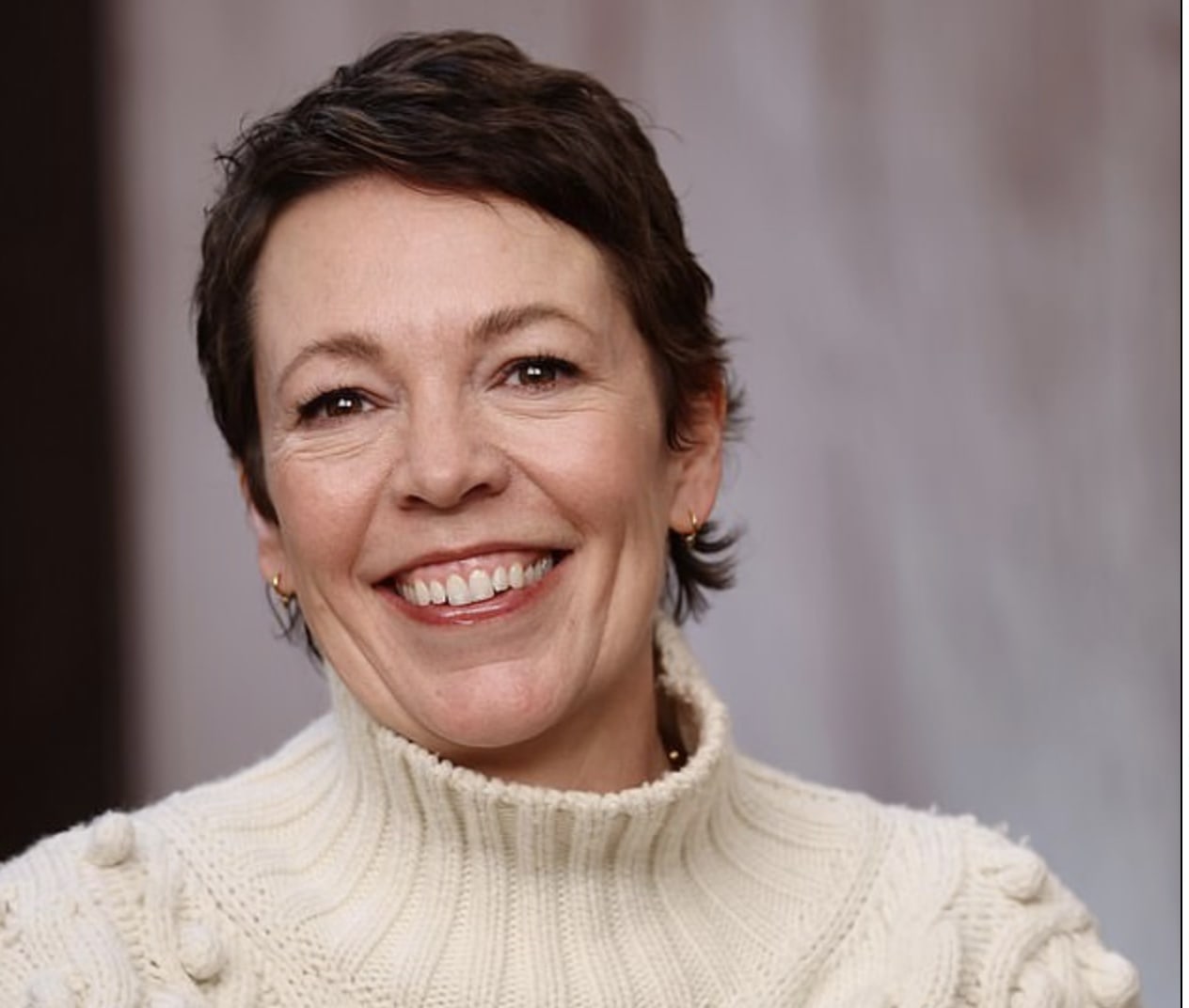
Let’s talk about English actress Olivia Colman noted for her versatility across both comedic and dramatic roles in film and television. She has received various accolades, including an Academy Award, four BAFTA Awards, two Emmy Awards, three Golden Globe Awards. She is rapidly becoming “a national institution” or so we are told.
In interviews promoting the new film Jimpa, Colman says she has “always felt sort of non-binary” and “never felt massively feminine” in her being female. She adds that she has long described herself to her husband as “a gay man,” and that he understands this description. Eh?
Colman stresses that she does not want this framed as a grand label or announcement, but as a long‑standing feeling about herself. She also describes feeling “at home” in LGBTQ+ spaces and says she spends relatively little time with people who are “very staunchly heterosexual.”
Is she gay, and if so, why is she married to a man with three children?
Colman links these feelings to an “enduring relationship” with queer communities, pointing to years of work on LGBTQ+ themed projects such as The Favourite, Heartstopper, and now Jimpa. She characterises queer spaces as uniquely welcoming, calling LGBTQ+ people “the most loving” and “most beautiful” storytellers!
Regarding the trans community specifically, she says that working on Jimpa was the first time she spent sustained time with trans people, that she “learned an awful lot” and “got better at pronouns” through that process. LOL!
Colman’s warm portrayal of queer and trans communities appears against a backdrop of growing scepticism in the UK about transgender rights. A 2025 YouGov study shows support for allowing people to change gender legally has fallen, with 48% of Britons opposed and only 34% in favour. Women, once more supportive, are now more likely to oppose legal gender change (42%) than support it (37%).
Colman’s embrace of the “queer agenda” seems so typical of so many in the entertainment industry and feels more like a price to be paid than a genuine act.