

Is the Turin Shroud authentic?
David Vance SubstackRead More
I wonder how many of you are like me and have considered the “Turin Shroud” to be some sort of medieval fake that Christians should avoid? I can remember reading “evidence” years ago that said the thing had been forged and was a fraud.
Well, I have to say that my views on this one have changed as I read deeper into the topic and I now open to believing that not only is it genuine but that it strengthens my belief in Christ and my absolute wonderment of what he went through for us. I reckon we have been re-directed into
Let’s start with understanding the Shroud itself.
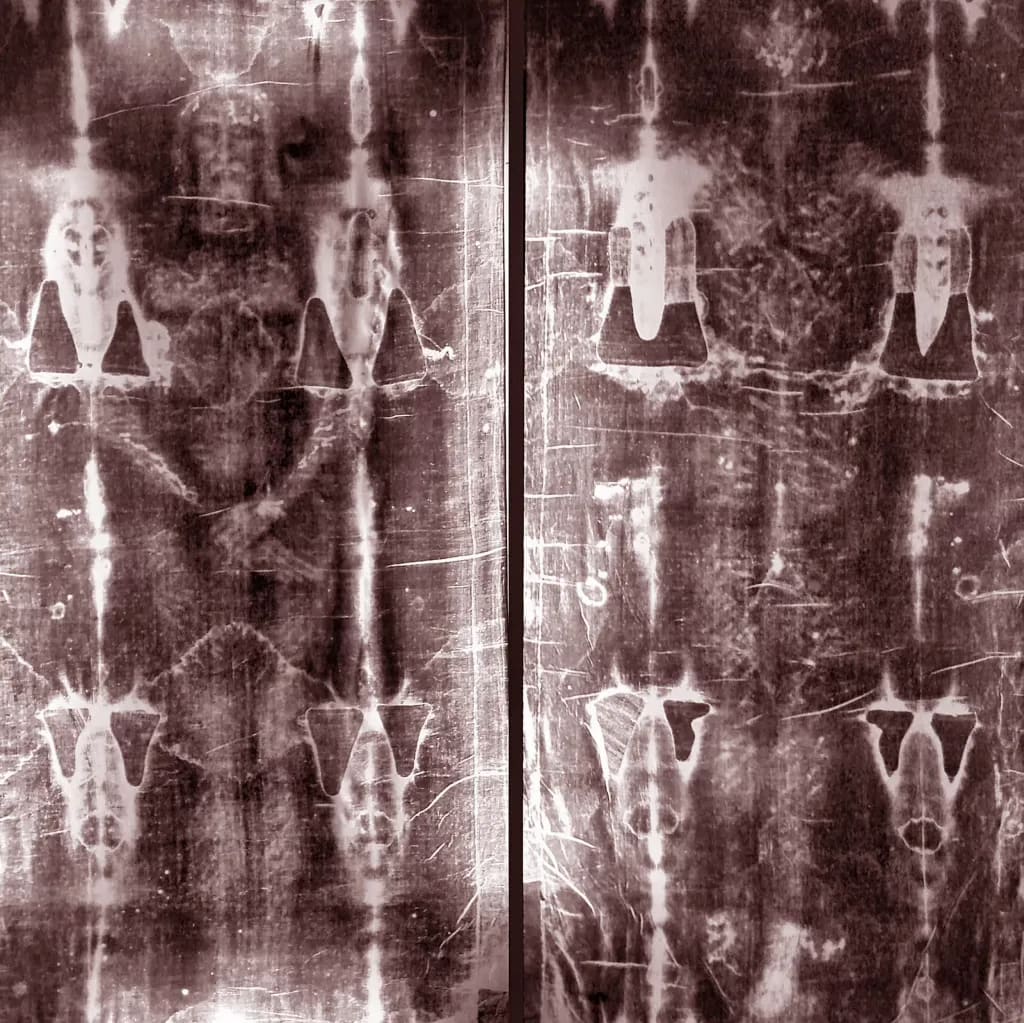
The Shroud is an ancient linen cloth revered as Christ’s burial shroud. In a recent study by Giulio Fanti, blood particles on the Shroud provide rather compelling evidence of its authenticity.
The fascinating thing here is that Fanti’s analysis identifies three distinct blood types.
The first is post-mortem blood, shed after death during removal from the cross and burial preparation. This blood exhibits shrinkage from dehydration and exposure to ointments like aloe and myrrh, along with ultraviolet fluorescence—attributed to bilirubin release from severe trauma, such as flogging. It suggests extreme physical suffering. This cannot be faked.
The second type is pre-mortem blood, darker and coagulated, likely from wounds inflicted during crucifixion while Jesus was alive. Lacking fluorescence, it retains a crusted form, consistent with living blood flow.
The third and final type consists of larger red blood cells, possibly from earlier stages of suffering before advanced dehydration. Bloodstain patterns reveal the body was moved multiple times post-mortem, with varying flow directions indicating repositioning from cross to tomb. Pulmonary fluid stains point to edema caused by respiratory distress and the side wound, aligning with Gospel accounts of crucifixion.
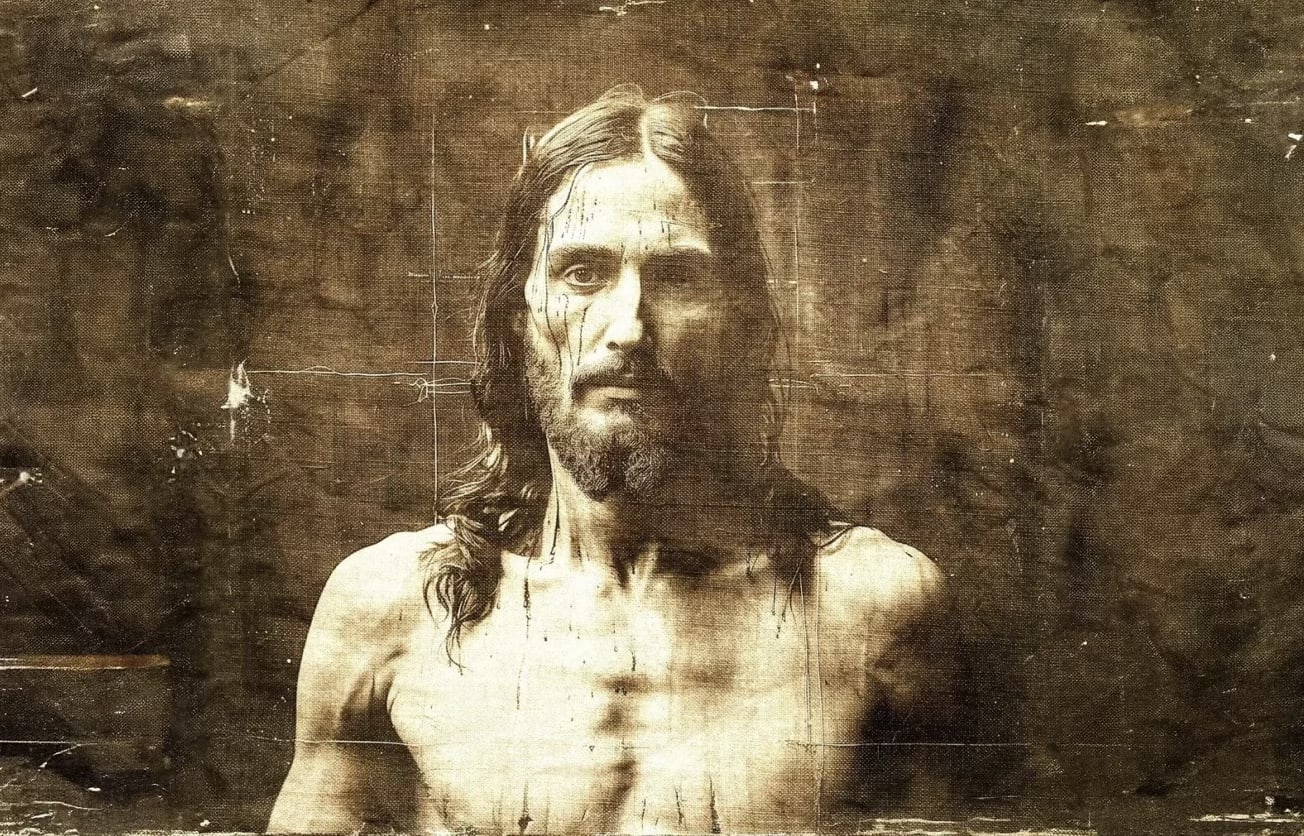
The Shroud’s enigmatic body image, a photographic negative-like imprint, may result from a burst of energy or light at resurrection, supported by detected Beta radiation in blood particles. This theory posits a supernatural event imprinting the cloth.
Of course the Shroud inspires devotion, evoking Christ’s face in death. Recently, AI technology generated a lifelike “photograph” of Jesus based on the image, blending modern tools with ancient mystery. (See top of this article)
The Roman Catholic Church only took possession of the Shroud in 1988 and basically has it hidden away. Almost like it is afraid of us seeing this remarkable relic.
I don’t NEED the Shroud to believe but I find it oddly comforting and those who mock it may be misdirecting us away from a physical relic of our Lord and Saviour. We may literally be looking at the face of God and that is a humbling thought.
*** Will you support my work here? Have a think about becoming a PAID subscriber, it’s only £5 a month, you can cancel if you don’t enjoy my content but I know you will. I want to thank the kind people who already do this, without your help this becomes impossible ***