
From Abba to Allahu Akhbar….
David Vance SubstackRead More
Sweden has a problem, a big problem. Since around 2015, up to one million muslims have arrived claiming asylum and things are changing fast. As in so many other European countries besieged by this mass migration, there is now a political kick back.
Denice Westerberg, a rising figure in the Sweden Democrats, has just delivered a really forceful speech at the party’s convention, calling for Sweden to radically rethink its migration policies and confront the challenges posed by Islamism.
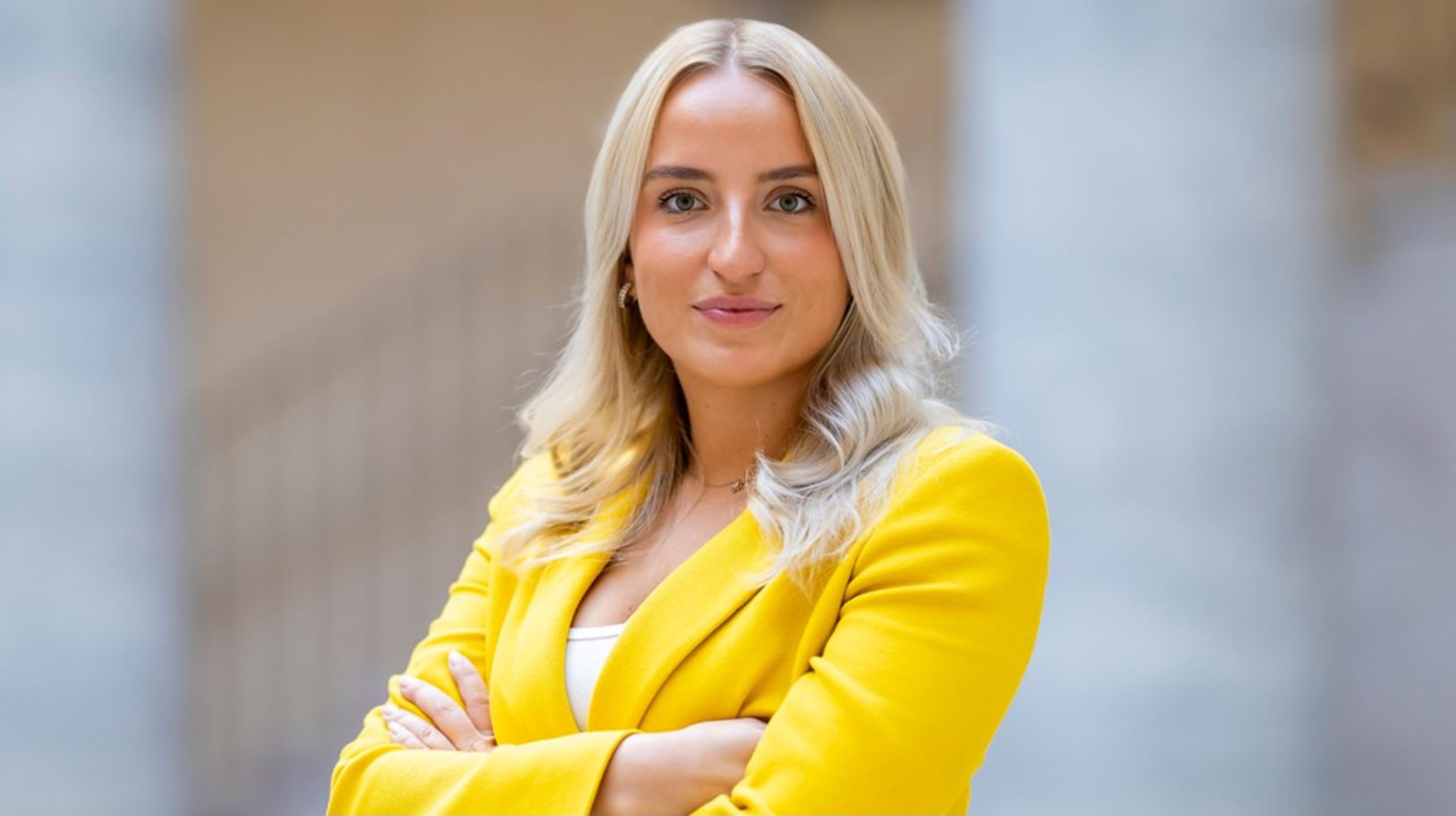
She argues that Sweden’s transformation from a safe, cohesive country into a society plagued by crime, gang violence, and social fragmentation was the result of deliberate political choices. She blamed past governments for opening borders, ignoring cultural differences, and dismissing public concern, leading to insecurity and “no-go zones.”
This is all so true. I recall being in Sweden 2014 and 2015 and even then, Malmo was becoming very dodgy. Ten years later, things are so much worse. Sweden has always been a liberal minded country but it’s that liberalism that is leading to its demise. Behold modern Sweden.
A significant part of Westerberg’s speech focused on the impact of radical Islam. Westerberg says that “Islam has no place in Sweden,” highlighting how political Islam and cultural change have altered Swedish society. She recounted incidents, including the sexual assault of a child in a mosque and the controversial “Meya case,” in which an Eritrean migrant was convicted of rape but not deported, as symbols of the failures of Sweden’s legal and political system.
Westerberg openly advocates for dismantling extremist mosques, toughening laws, and deporting foreign criminals, promising that a Sweden Democrat government would prioritise national restoration. Her speech rallied young Swedish voters and framed the upcoming election as crucial for reversing social decline and restoring a society where children and families feel safe.
Sweden goes to the polls next September and the Swedish Democrats are poised to finish in the top three parties which will give them considerable influence in the future administration. The better they do the better for Sweden.
Ultimately, Westerberg’s message is calling for Swedes to stand up for their country. She says that it is time for them to defend its values. Her final call is that “Sweden will be Sweden again” if citizens refuse to be silent and act decisively.