

Trump threatens to hike UK Tariffs!
David Vance SubstackRead More
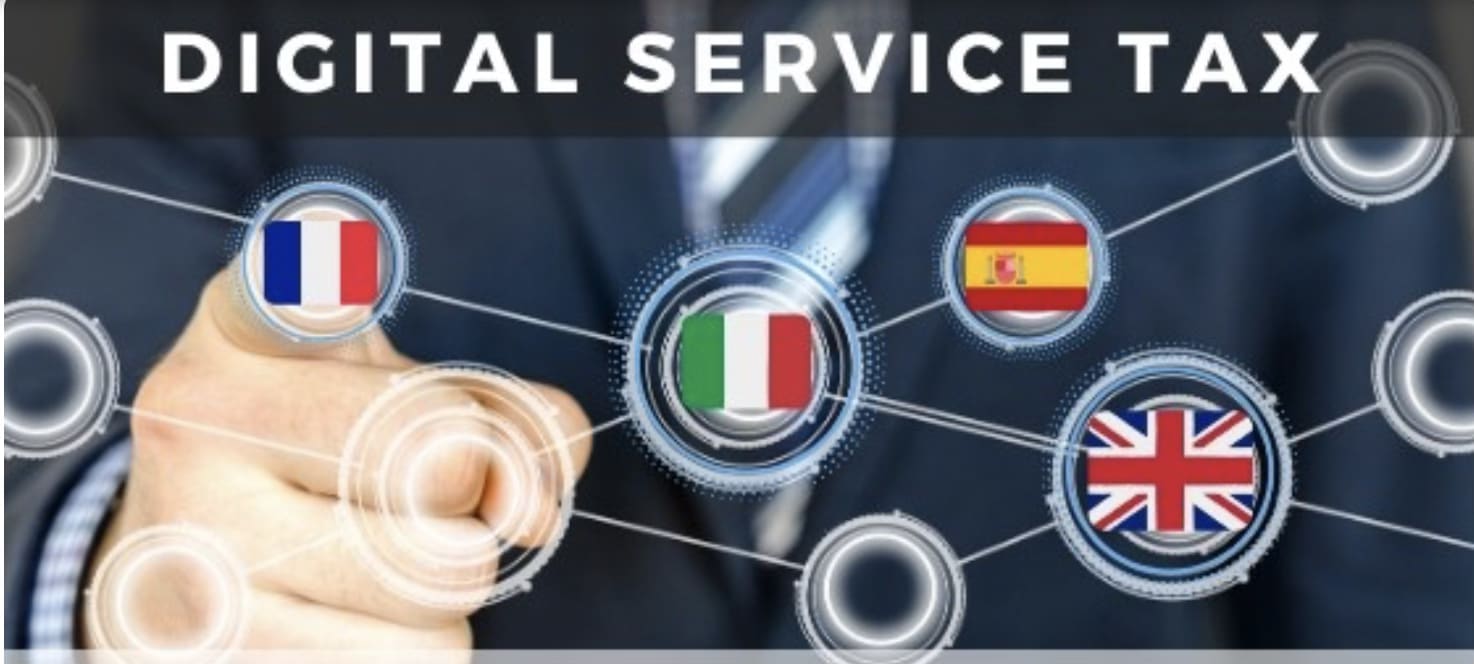
President Trump has once again demonstrated decisive leadership by refusing to tolerate one-way deals that disadvantage the United States. This time, the UK is in the cross-hairs and deservedly so, in my view. In a clear message to the UK, Trump has threatened substantial tariffs if Britain fails to scrap its discriminatory digital services tax targeting mostly American tech giants.
The UK’s digital services tax, first introduced in 2020, imposes a 2% levy on the UK revenues of major tech firms whose global digital income exceeds £500 million and whose UK-derived revenue tops £25 million. In 2024-25, it generated a whopping £800 million — up from £678 million the previous year. While framed as a neutral “tech tax,” the reality is that it disproportionately hits American companies like Google, Meta, Amazon, and Apple and X. These firms drive the digital economy, employ thousands indirectly through the UK ecosystem, and deliver immense value to British consumers. Yet the UK like several other European nations, has crafted rules that effectively taxes US success while shielding its own smaller players.
Trump’s response is refreshingly straightforward:
“We’ve been looking at it and we can meet that very easily by just putting a big tariff on the UK.”
If the UK wants to keep collecting hundreds of millions from US firms, it should expect America to respond in kind. Trump also made it clear that any new tariff would exceed what Britain currently gains from the levy. So we would be net worse off if we continue with this stupid tax which the Conservatives imposed and Labour has accelerated.
For decades and under several Presidents, the US has tolerated asymmetric trade relationships and digital policies that erode its competitive edge. European allies lecture America on multilateralism while erecting barriers against its most dynamic industries. The digital services tax is a classic example: it penalises firms for their global scale rather than addressing genuine tax avoidance. Trump rejects this selective targeting. America built the platforms powering modern commerce; it should not then subsidise foreign treasuries at the expense of its own workers and innovators.
Trump has long argued that alliances must be two-way streets. The US provides Britain with security guarantees, intelligence sharing, and deep economic integration. In return, Washington expects fairness on trade and taxation.
So threatening tariffs on the UK is not anti-British — it is pro-American realism. History shows that assertive negotiation often yields better outcomes than endless “fancy conferences” and empty diplomacy. Trump is the master of this and write the book about it!
Economically, targeted tariffs also give powerful leverage. They encourage trading partners to remove distortions, open markets, and negotiate from strength rather than assumption. British businesses exporting to the vast US market — from cars and pharmaceuticals to financial services — would really feel the impact, creating domestic pressure to reconsider the digital tax. Far from isolationism, Trump’s approach fosters genuinely fair trade that benefits both sides of the Atlantic.
Ultimately, Trump’s tariff threat underscores a deeper truth: economic sovereignty matters. American companies should not be treated as cash cows by governments unwilling to reform their own tax systems or compete openly.
Trump’s message is clear, consistent, and common sense; fair deals or face fair consequences. The UK must repeal the Digital Service Tax!