Scotland chooses Life
David Vance SubstackRead More
I was delighted and not a little surprised to see the Scottish Parliament’s rejection of the seditious Assisted Dying for Terminally Ill Adults Bill. To my mind this represents a crucial safeguard for vulnerable individuals and a reaffirmation of society’s fundamental commitment to protecting life. It’s really that simple.
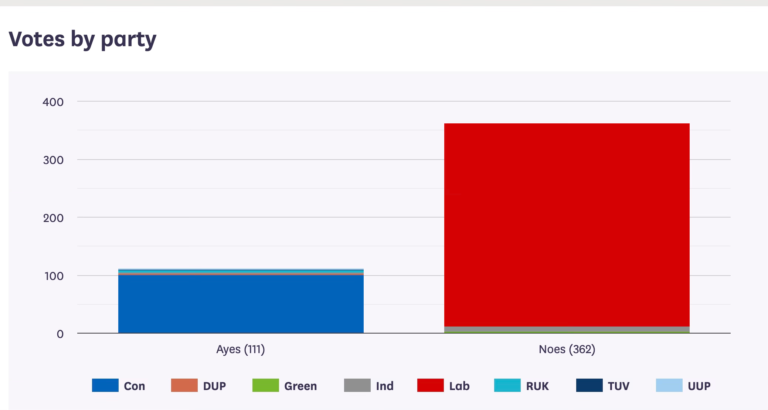
MSPs voted at Stage 3—the final stage—on the bill introduced by “Liberal Democrat” MSP Liam McArthur. The legislation sought to permit terminally ill, mentally competent adults to request medical assistance to end their lives under specified conditions. The outcome was decisive: 57 votes in favor, 69 against, and 1 abstention. People had been talking this up up as being “too close to call” but turns out it wasn’t really that close at all.
The bill has fallen thus preventing its passage into law. While the bill had advanced past Stage 1 in May 2025 (with 70 votes to 56 in favour of its general principles), the extended scrutiny during Stages 2 and 3—including debates over hundreds of amendments—exposed profound concerns that ultimately prevailed. Essentially, sunlight has exposed the dark heart of the provisions within it
All sorts of people opposed this Bill. From Medical professionals, to disability rights advocates, palliative care experts, and faith communities, they have long warned of the risks. These include the potential for coercion or subtle pressure on very vulnerable people particularly the elderly, disabled, or those experiencing financial hardships—to view themselves as a “burden.”
When you looks at places where assisted dying or euthanasia is permitted (such as Canada, Belgium, and the Netherlands) these show expansion beyond initial strict criteria. We see cases involving non-terminal conditions, mental illness, or even children in some contexts. It’s the “slippery slope” that erodes safeguards and normalises the idea that certain lives are less worth living.
In Scotland, this bill’s defeat highlights the importance of robust palliative care as the correct response to end-of-life suffering. This is something that I fully accept. Proper investment in pain management and psychological support allows people to live out their final days with dignity without hastening death.
Numerous voices, including those from the Church of Scotland and disability organisations, made the point that legalising assisted suicide risks undermining these palliative services. It sends the wrong message that suicide is an acceptable solution to suffering.
MSPs, freed from party whips in this conscience vote, prioritised protections for the most vulnerable over the “right to die”! This decision also rejects the notion that medical professionals should be enlisted to provide lethal means, preserving the doctor-patient relationship as one of healing and care rather than ending life. It also avoids placing undue pressure on healthcare systems where resources might shift away from life-affirming treatments to life ending treatments.
Scotland’s rejection of the bill should serve as a model for others contemplating similar measures. Rather than pursuing legalisation, politicians should redouble efforts to ensure world-class palliative and hospice care is accessible to all. True compassion does not lie in offering a pathway to premature death. It lies with helping people through their pain and suffering with care and support.
I believe that God decides the moment when we die, not doctors, and so I find the very concept of Euthanasia both ungodly and frightening as it delegates powers to doctors that belong to our Maker.
I was quite surprised to see these Scottish politician choose life but it is a welcome surprise!