
Porsche hits the brakes!
David Vance SubstackRead More
I drove a Porsche Panamera for a few years and I really liked the speed and precise driving that is the hallmark of this car brand! But things are a-changing and Porsche has just fired a warning shot at the electric‑vehicle evangelists.
It comes in the form of job cuts, collapsing profits and a decisive recommitment to petrol engines.
Yes, reality has just kicked in!
After years of being brow‑beaten by politicians, regulators and green lobbyists into “transitioning” to electric cars, one of the world’s most successful sports car makers has effectively admitted the EV experiment is not delivering as promised.
The numbers are brutal. Really brutal.
In 2025 Porsche’s operating profit collapsed from €5.6 billion to just €413 million. This is a staggering fall that has dragged its operating margin down from 14% to a barely‑viable 1%.
Deliveries also fell by more than 10 per cent to 279,449 vehicles worldwide. For a company that once sold desirable, high‑margin performance cars, that is not a “bump in the road” – it is a full‑blown car crash!
Now we get to look at what is driving those losses.
Porsche itself points to around €700 million in “battery‑related costs” and another €2.4 billion in restructuring and “repositioning” the business. That’s corporate speak for twisting the company into all kinds of shapes demanded by the EV agenda.
Put simply, enormous sums are being wasted just to make electric line‑ups viable on paper. When a flagship manufacturer at the premium end of the market like Porsche can’t make the numbers stack up, what does that say about the economics of forcing ordinary drivers into EVs they don’t particularly want?
The market’s verdict is clear enough. Porsche is cutting about 3,900 jobs by 2030, with 2,000 temporary roles already gone and more to follow as the firm “streamlines” and “cuts back on bureaucracy”. Behind that euphemistic language lie real people paying the price for a political project. Workers in a once‑booming industry have been sadly sacrificed so that governments can boast about “green targets” and “EV uptake” at climate conferences.
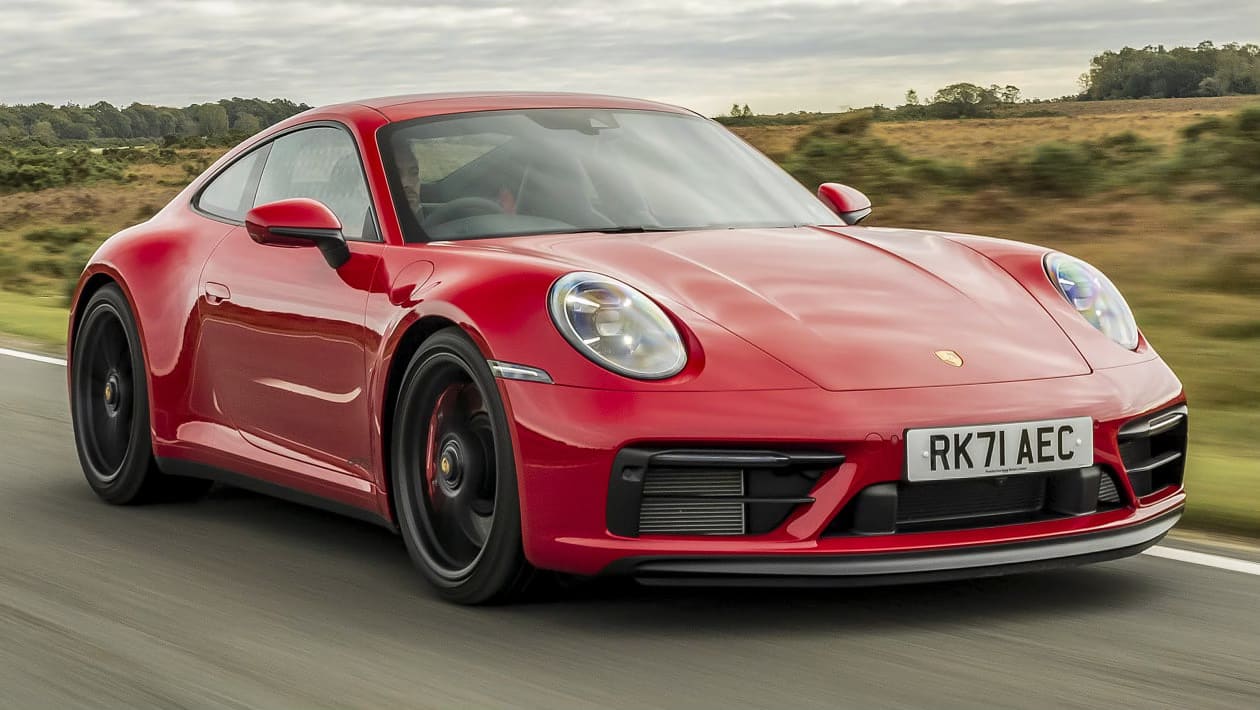
Ironically, the one model that remains a genuine bright spot is the petrol‑powered 911. Porsche openly admits it is still one of the company’s most popular cars and has doubled down with a new 911 Turbo S using a bi‑turbo engine with T‑Hybrid technology – the most powerful 911 ever built.
That is where punters are putting their money: in proven combustion technology, lightly hybridised for efficiency, not in heavy, expensive battery SUVs that lose range in cold weather and rely on patchy charging networks.
I have a friend who knows theYouTube personality The MacMaster and he has has documented the severe depreciation on his Porsche Taycan EV, highlighting a drop in value from approximately £120,000 to a £44,650 trade-in valuation in just two years. This left him in significant negative equity, as he still owed around £64,700 on the vehicl
Porsche’s new boss, Michael Leiters, insists the company will keep building “uncompromisingly good sports cars … regardless of the type of powertrain”.
The subtext here is obvious: the fun, desirable cars customers actually want are still overwhelmingly petrol‑powered. Electric CARS still remain in the catalogue – the Cayenne Electric, for example – but it will sit alongside combustion and hybrid options, not replace them!
That is the lesson that politicians refuse to learn. The market is voting against an all‑electric future. Porsche has just real numbers on that verdict, and they are devastating for the EV orthodoxy.
We like the choice of a combustion engine delivers!