
Rachel’s delusions!
David Vance SubstackRead More
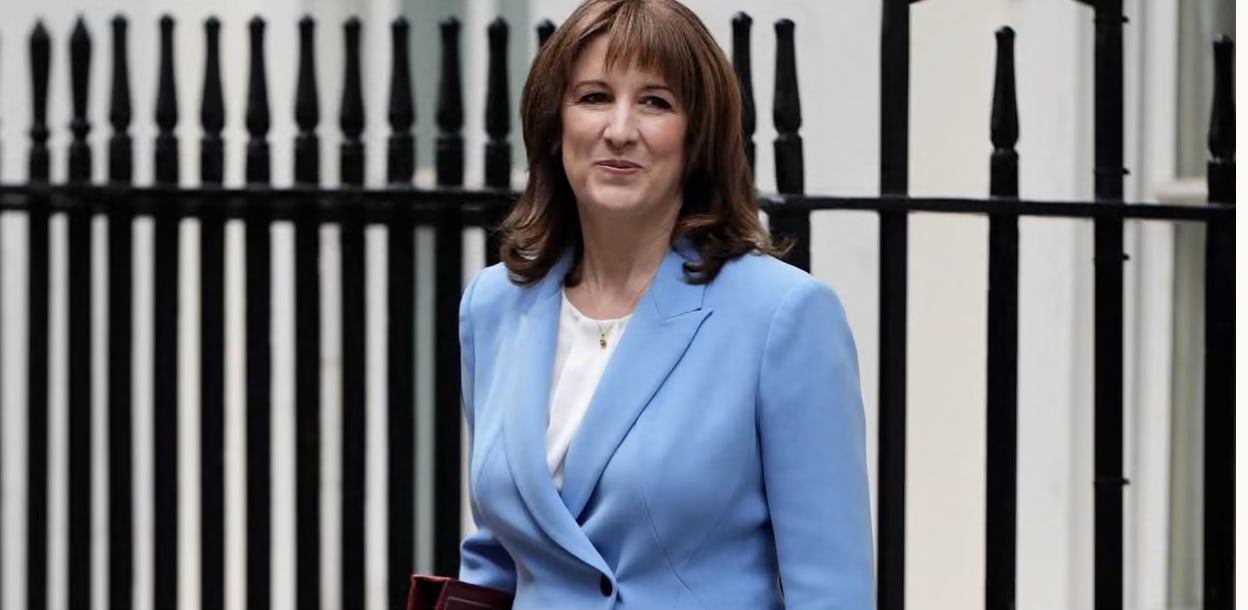
Rachel Reeves’s spring statement in the Common’s the other day painted a rosy picture of a prosperous British economy delivered by a confident Chancellor. But the truth it was completely delusional and I find that frightening. We need honesty from the Chancellor, not pipe dreams.
Throughout her speech, Reeves relied on the Office for Budget Responsibility’s projection that GDP will grow by 1.1% in 2026. It then will grow by 1.6% in 2027 and 2028, and 1.5% in 2029 and 2030. She presented all this as evidence that growth is back on track. Yet even she concedes growth this year has just been downgraded from 1.4% to 1.1% after weak late‑2025 data. That is a 20% reduction in growth yet she appeared thrilled by this. So her “stability” arrives alongside slower growth and a still‑weak recovery.
Forecast GDP is expected to rise by 5.6% over the Parliament, and she highlighted a claim that the average Brit will be about £1,000 a year better off by 2029, but within that the OBR expects real disposable income to rise by less than 0.25% in 2025–26. The only group that will be noticeably better off this year are those with large families where no one works. This is her idea of “helping” – she rewards the indolent.
Her boast that the government has “restored economic stability” is entirely disconnected from the UK job market. Unemployment is forecast to peak at 5.3% this year—around 1.9 million people—before gradually falling, meaning Reeves’s “secure economy” still involves even more joblessness in the short term.
She made a big deal about falling inflation and interest rates but many analysts now warn that surging oil and gas prices tied to the Iran conflict could push inflation back to 3% and also add about £500 to typical energy bills, which would erode the real gains she claims. She just totally ignored the Iran conflict and the global economic impacts. That’s not responsible.
Looking at the public finances, Reeves claimed that “because of the choices” she has made, debt is lower in every year of the forecast and headroom against her investment rule has risen to £23.6bn. In reality that extra headroom largely reflects lower‑than‑expected debt interest and stronger receipts, not any tough political choices. The OBR itself flags significant risks around disability benefits and local government, where “one‑off” rescue funds have been used almost continuously for nine years.
She has made zero tough choices and under her plan UK taxes will rise to a post WW2. Her decision to ask the OBR not to test her spring statement against her own fiscal rules is telling. She knows it is all a fiction! So does Starmer.
Reeves’s insistence that Britain now has “the right economic plan” is a deep delusion. The projections assume energy prices stabilisation, market borrowing contained, and modest growth persists despite geopolitical shocks. The Resolution Foundation has suggested that parts of the inflation and interest‑rate story were already “out of date” almost as soon as the OBR signed them off, given the speed of the latest energy spike.
Meanwhile, although she trumpets an end to “fiscal fiddling” by limiting major measures to one big annual Budget, she still uses some of the windfall to expand spending on SEND and a handful of targeted pledges. Hard choices on wider public‑service pressures are cynically pushed to the 2027 spending review.
Reeves is a catastrophically bad Chancellor and this Spring Statement is a fiction that will unravel as we stagger through 2026. I worry about the UK economy.