A Toll booth in the Strait of Hormuz?
David Vance SubstackRead More
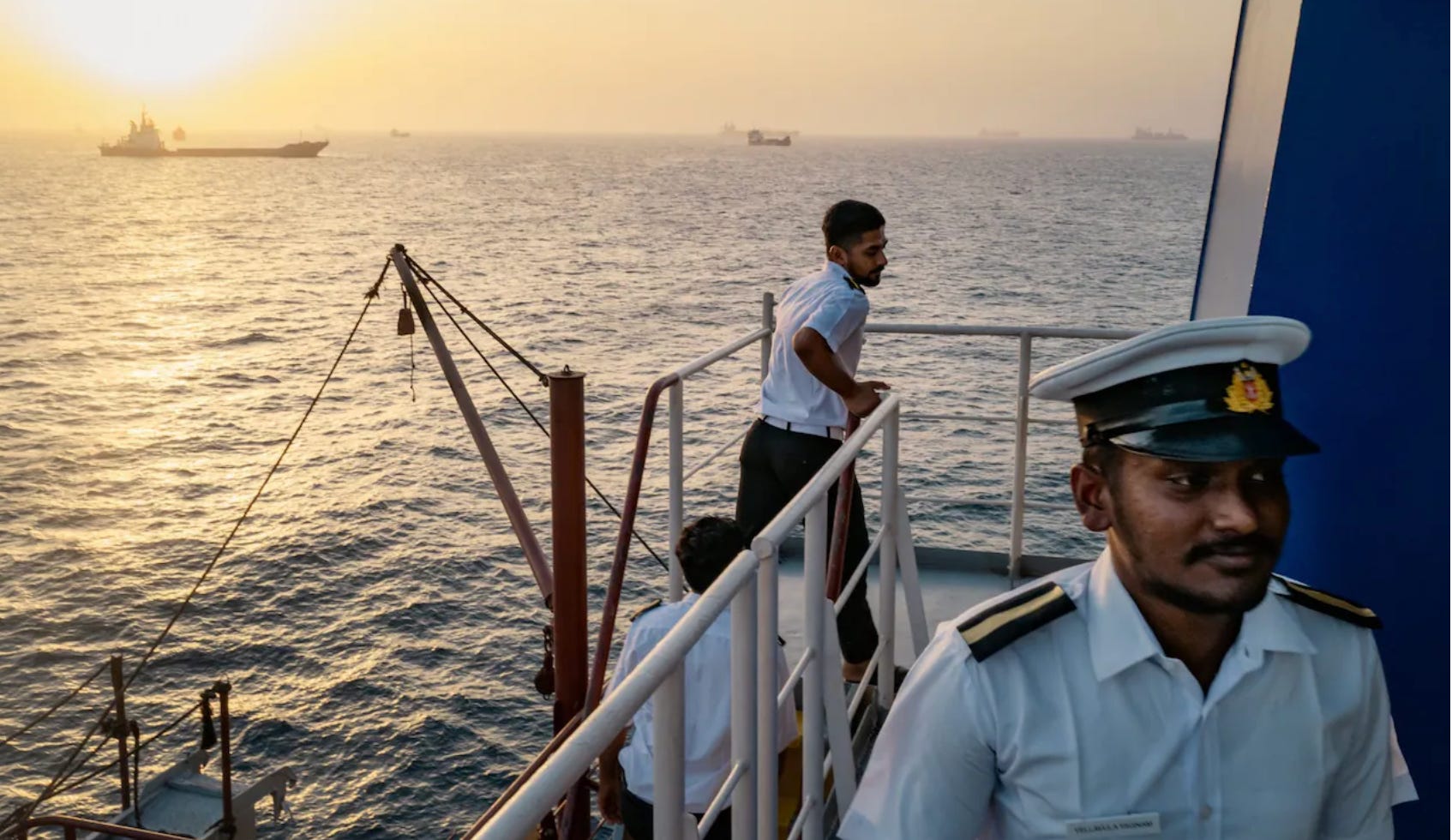
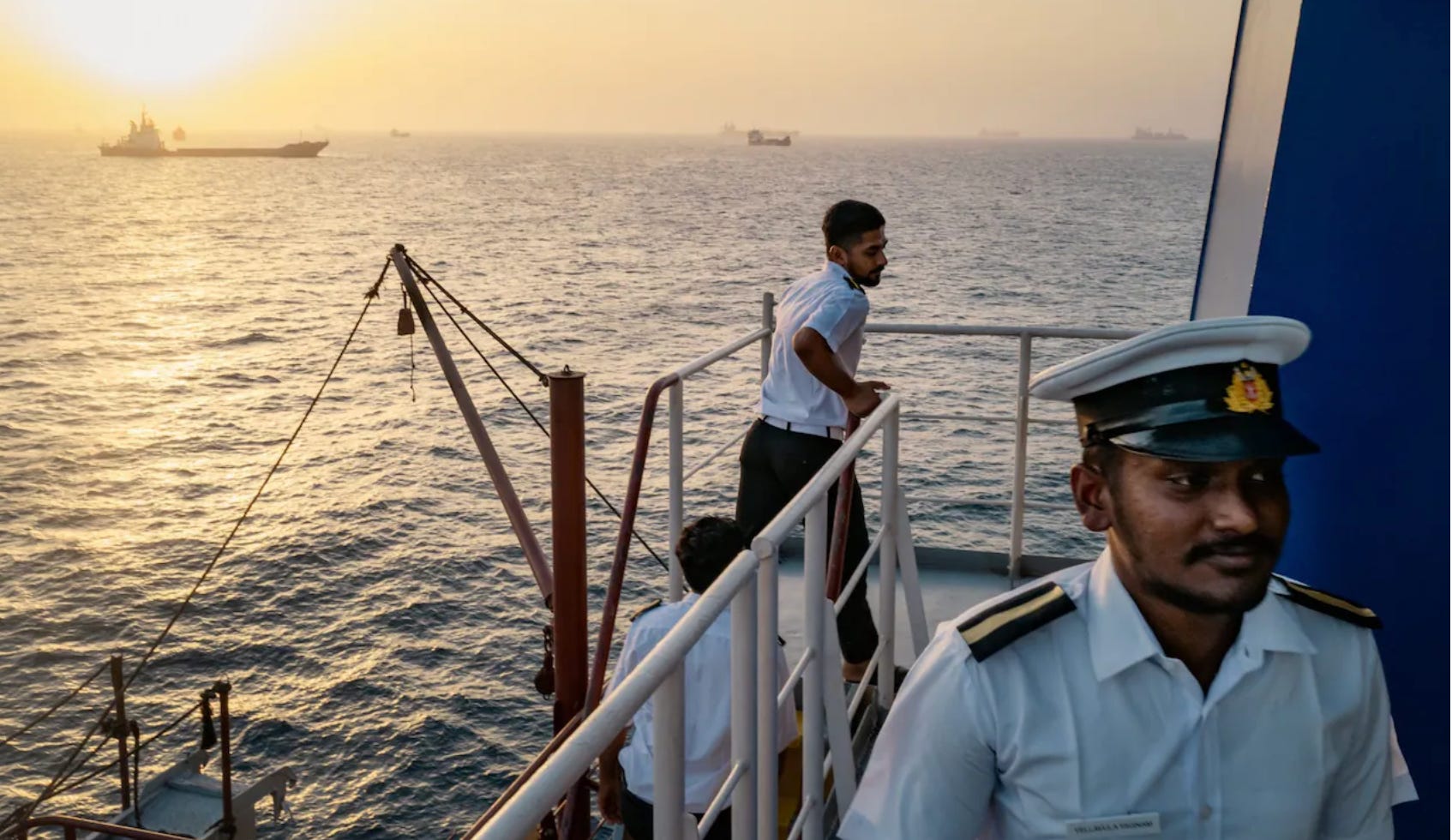
Interesting to see that Energy-importing states and major shipping companies transiting the Strait of Hormuz are now being asked to pay a “voluntary fee” under a new Omani proposal designed to unlock the critical waterway. Yeah, that’s right, “voluntary`”
Sold to us as a compromise, this plan will funnel billions of dollars into Omani and potentially Iranian coffers while pretending to respect international maritime law. Far from a pragmatic solution, this arrangement exposes the ambiguities baked into Trump’s preliminary peace deal with Tehran. That’s why I have opposed it since day one. It cannot end well and it won’t end well.
The Omani scheme is inspired by the Strait of Malacca mechanism, where user States contribute lump sums to a fund for “maintenance, anti-piracy, and environmental protection”. Oman argues that because contributions are “voluntary” and not tied directly to each transit, the plan sidesteps the UN Convention on the Law of the Sea. Gulf states appear receptive to this idea,
The Trump regime has yet to publicly respond to this proposal. Tehran continues aggressive posturing, including a recent drone strike on a Singapore-flagged container ship in Omani waters. This attack came days after Iran demanded all vessels coordinate with its newly created Gulf Strait Authority.
The just underscores Tehran’s determination to treat the strait as its private toll road, despite the US-brokered deal supposedly guaranteeing unrestricted navigation. The preliminary agreement between the USA and Tehran opened the waterway but deliberately left unresolved the core question of regulatory authority. Flanked by both Oman and Iran, this narrow chokepoint remains really vulnerable to competing claims.
The Omani proposal emerged after Iran’s more blatant joint-tolling idea was rejected for violating international maritime law — a treaty Oman has ratified but Iran has not. Yet by offering up this softer “voluntary” alternative, Oman has created a backdoor revenue stream that both it and Iran can exploit. Supporters claim major powers and shipowners will happily pay to avoid “collisions and disruptions”.
In reality, this amounts to protection money dressed up as maritime stewardship. The timing is particularly damning for the United States. Accusations that Oman was colluding with Tehran have already strained relations, prompting President Trump to issue stark warnings.
Whilst Oman’s rejection of a formal joint scheme with Iran and its pivot to the Malacca model may appear moderate, but it still legitimises the principle that coastal states can extract payments from users of an international strait. This directly contradicts long-standing US policy defending freedom of navigation without fees.
Meanwhile Iran has circulated its own rival proposal, modelled on Turkey’s compulsory charges in the Dardanelles under the 1936 Montreux Convention! Yes, really! While legal differences exist — Turkey secured its rights before the Treaty of the Seas— Tehran shows little regard for such distinctions. Its chief negotiator declared bluntly that management of the strait “will never return to the way it was before.”
The Islamic Republic’s actions, from establishing its own authority to attacking vessels, reveal its true intentions. It wants to consolidate control and monetise one of the world’s most vital energy arteries. The US deal’s failure to clarify authority has produced these predictable results.
So where we are at the moment is that Oil tankers idle off Omani coasts while diplomats haggle over wording that would allow both sides to claim victory. It’s fair to claim that the deal prioritises short-term military de-escalation over any enduring principles.
By leaving the regulatory vacuum intact, the Trump regime has invited creative interpretations of “voluntary” contributions and this will inevitably put pressure on energy importers and shipping firms. What begins as optional will become expected, then effectively mandatory, as insurers and charterers demand proof of “cooperation” with local authorities. See how it will work? So should Trump, maybe he does?
We all know that the Strait of Hormuz carries roughly one-fifth of global oil trade. Any erosion of free passage will raise costs for consumers worldwide. Oman’s proposal and Iran’s parallel ambitions demonstrate that the US-Iran agreement has not resolved the crisis — it has merely rebranded it.
Without US insistence on unrestricted, fee-free transit under international law, the world’s most important energy chokepoint will end up as toll road for revisionist powers. That is a backwards step as it was free before hostilities commenced.
We need the Trump negotiators to accept that deals that sacrifice navigational freedom for fragile ceasefires do not bring stability; they invite endless renegotiation on adversarial terms.
Global Energy security demands clearer red lines!