When Did England Stop Looking Like England?
David Vance SubstackRead More
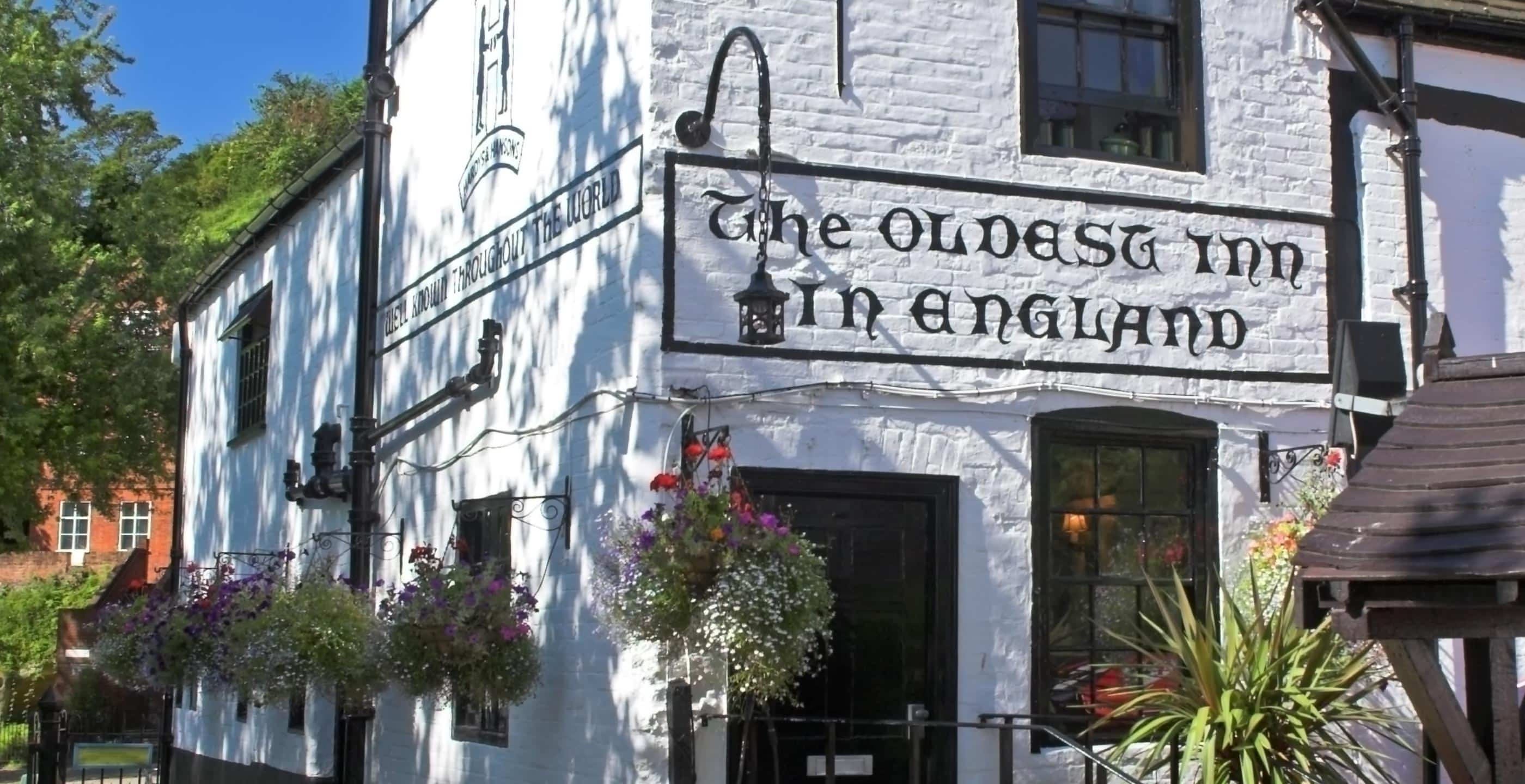
Something unspoken but deeply felt is spreading across the country: England, for many, no longer looks or feels like the place they once called home. And worse still, you’re not allowed to say so. This isn’t nostalgia. It’s not extremism. It’s the reality that millions of people are experiencing every day.
Walk down the High Street in cities like Birmingham, Leicester, or parts of London and you’ll notice it straight away, and if you’re white and British, you might be one of the only ones who does. That’s not a complaint rooted in hate. It’s a simple observation of reality.
And yet, voicing it has become near impossible. We’re told, loudly and repeatedly, that raising concerns about these changes is “racist” or “intolerant.” That noticing the transformation of your local area makes you some kind of problem. The political class, media, and activist lobby have spent the last twenty years telling the British public what they can and cannot feel. What they can and cannot say.
England has never been entirely white, nor should it be. But let’s not pretend this is about a handful of cultural additions. This is about scale and pace, and the fact that the demographic and cultural makeup of many areas has shifted so dramatically in just 20 or 30 years that it no longer feels familiar to the people who built those communities in the first place.
Take Mr. Jones, an entirely average citizen in his sixties. He walks through Birmingham city centre, the place he’s lived near his entire life, and he doesn’t recognise it. The people, voices, the shops, the signage, the clothes, the sounds, it no longer feels like Birmingham. It feels like a foreign city. But Mr. Jones isn’t allowed to say that. He’ll be told he’s xenophobic. That he’s “part of the problem.” So, like many others, he says nothing. He quietly carries that feeling of loss, of cultural dislocation, and he gets on with it. But the silence is not consent. It’s fear.
Britain has always evolved — but never like this. The scale of immigration in recent decades, combined with a political refusal to talk about integration, has left many communities feeling displaced in their own country. And still, the authorities, the institutions, the politicians pretend nothing is wrong. People are raising concerns, in pubs, online, at dinner tables. They’re talking about “modern Britain,” often in tones of confusion or sadness. Not because they hate what’s new, but because they miss what’s gone. And they’re tired of being silenced for saying so. This is not about hating others. It’s about loving what was, and wanting it to still have a place.
If democracy means anything, it must include the right to speak openly about the condition of your own country – especially when you no longer recognise it. This is not about hatred. It’s about honesty. And until our leaders recognise that and allow people to speak openly, without fear the disconnect between the governed and the governing will only grow deeper.
You can find more from Matt on @realmatttoomer on X.