
Did Blair begin the break-up of Britain?
The David Vance BriefingRead More
I think as time passes, more and more people see the Tony Blair years as amongst the most damaging to Britain in our long history. So much that he did was simply wrong. We know the Iran war was disastrous; we understand that mass migration shot up under him; we see the absolute folly of the Human Rights Act and so much more.
But I wonder if one decision he made back them will ultimately prove much more damaging than all the others added together
I’m talking about Devolution and this Saturday Briefing takes a deep dive into what went on, what went wrong and what it means in 2026.
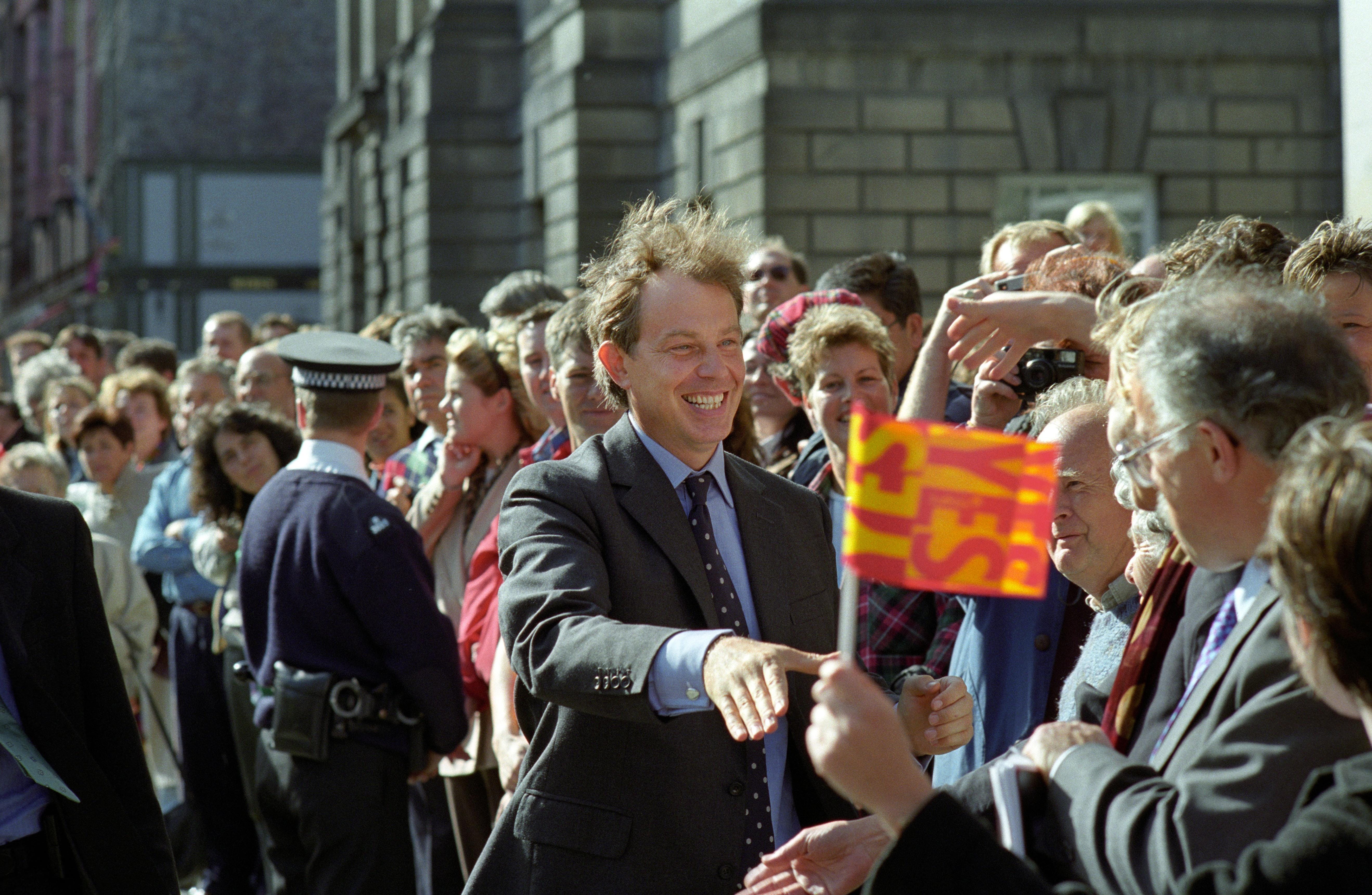
If we go step back in time to 1997, Blair was clear in what he thought devolution would achieve. He claimed that devolution would act as a pressure valve and head off Separatism
In February of that year, Blair told the Commons the following;
“We support devolution; we oppose separatism.
The enemy of the Union is no change, not devolution.”
The Labour manifesto back then was even more explicit. Its proposals for Scotland would ensure that “the union will be strengthened and the threat of separatism removed.”
Read those words again.
The threat of separatism removed.
Almost thirty years later, how did that work out then?
It’s another example of politicians getting things completely wrong but by the time we all see it, the damage is already done. Too late.
Since 1997, Scotland has endured decades of SNP government, a divisive independence referendum that was lost and endless demands for another one.
It doesn’t stop at Scotland’s borders though.
Wales now has a First Minister from Plaid Cymru who openly believes in Welsh independence. Northern Ireland has a Sinn Féin First Minister whose party exists to remove Northern Ireland from the United Kingdom.
I think a neutral observer might agree with me that the institutions supposedly created to defeat separatism have instead provided separatists with the greatest political platforms they have ever possessed!
THE ENORMOUS BLAIR MISCALCULATION
The theory behind devolution “sounds” reasonable, doesn’t it?
The idea is to give Scotland, Wales and Northern Ireland more control over domestic matters and so people will feel less remote from government. Local politicians will understand local problems so much better. Decisions will be taken closer to the people affected by them! That’s the formula and the intention behind it was that this would remove the grievances of nationalists.
Why demand independence when Edinburgh, Cardiff and Belfast already control health, education and numerous other areas?
That was the political game theory at least. But I would suggest to you that Blair fundamentally misunderstood nationalism. Or was he being disingenuous!
You do not satisfy Nationalism by pandering to it and feeding it. That make it hungrier.
Give a nationalist politician ten powers and he doesn’t thank you for the ten. He demands the eleventh. Then the twelfth. Every year of this Millennium proves that.
Every additional power transferred from Westminster becomes evidence that another could be transferred.
Devolution has turned into a ratchet mechanism in which power travelled in one direction and that was away from Westminster. Blair MAY have believed he was creating a permanent constitutional settlement. However the separatists saw something completely different. They saw a bridge. And they have been walking across it ever since.
SCOTLAND: DEVOLUTION’S GREAT FAILURE
Scotland is the best example of the failure and destructive power of Devolution.
Do you remember this image of that the Scottish Parliament opening in 1999. It was all smiles.
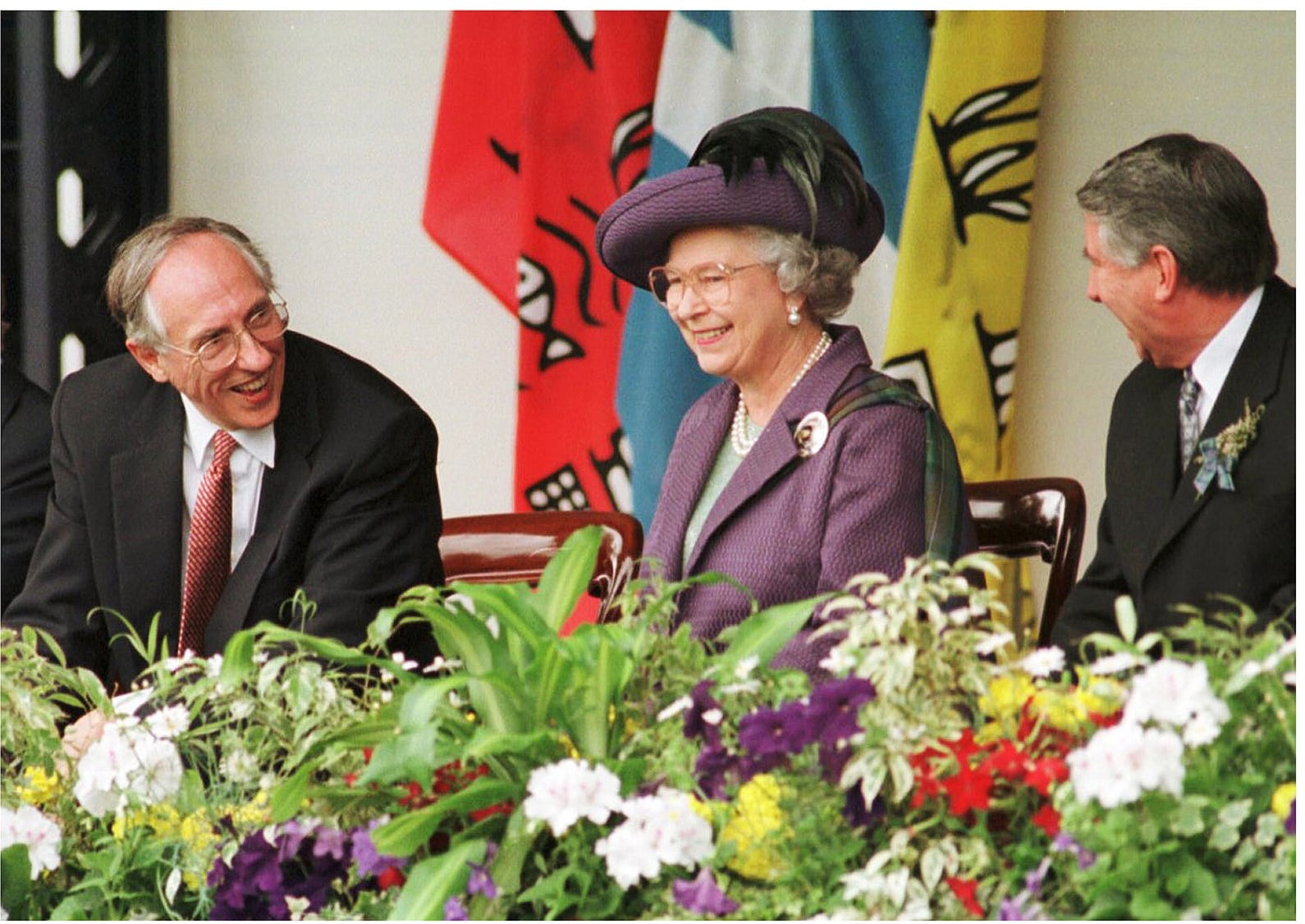
Within eight years the Scottish Nationalist Party became the largest party in Holyrood. By 2011 it had won an outright majority. By 2014 Scotland was voting on whether to leave the United Kingdom altogether.
Just sit back and reflect on that sequence a little. Within 15 years, the possibility of Scottish separatists breaking up the UK was very real. And it was brought about by an institution intended to “remove” the threat of separatism! As is so often the way in politics, good intentions pave the way to hell!
Yes, Scotland voted No in 2014 to Independence. This was by a 55% vs 45% majority. But that did not settle anything. Why? Because the SNP simply carried on regardless. I can remember within a very short while after the result, the Scottish separatists were once again demanding Indy2!
Independence has now become embedded in Scottish political life in a way that it never had been before devolution The SNP discovered a brilliant political trick. Anything that went right in Scotland demonstrated the superiority of Scottish government. Anything that went wrong was Westminster’s fault.
Heads they win. Tails Westminster loses. Did no one see this one coming? Was it really that unforeseen?
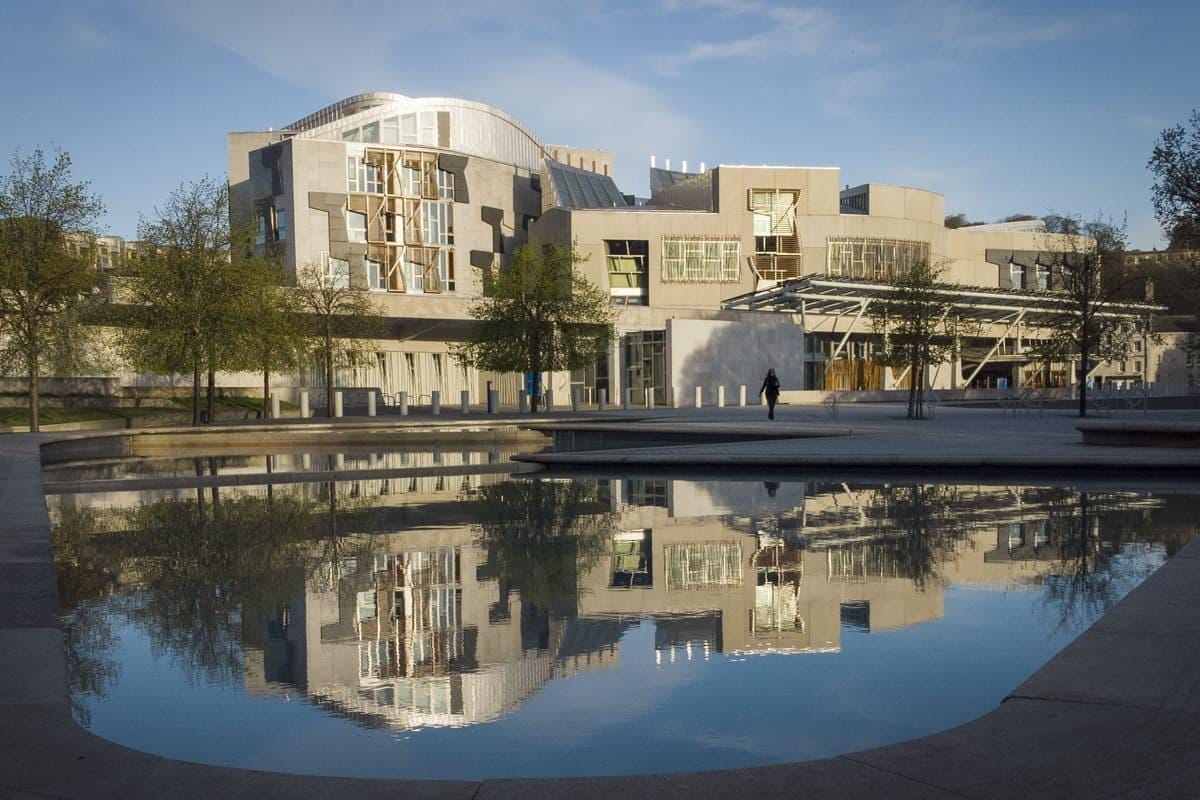
Let’s take a look at the important issue of education.
Scotland has long prided itself on having one of the finest education systems anywhere in the world. Yet the Scottish Government’s own newly released PISA figures show that performance in science, mathematics and reading remains significantly below levels achieved in earlier cycles.
In science, for example, Scottish pupils scored 491 in 2025 compared with 516 in England. That isn’t English propaganda. These are the actual figures contained in the Scottish Government’s own report.
Scottish Education is going backwards under Devolution.
Let’s turn to a different area; Health.
Audit Scotland reported last year that despite NHS Scotland receiving more staff and more money, performance had not improved in line with Scottish Government commitments. Again, this is the point. The Scottish Government has enormous power over health just like it had over education.
So why does the constitutional argument always seem more important than fixing either? I believe that it is because nationalism requires grievance more than it requires success. A successful devolved Scotland content within the United Kingdom undermines the case for independence. A Scotland supposedly being held back wicked Westminster is politically much more useful.
And that is what we have.
WALES: MORE GOVERNMENT, BUT BETTER GOVERNMENT?
Then we come to Wales.
If you remember, enthusiasm for Welsh devolution was hardly overwhelming in the first place. In fact the 1997 referendum passed by the narrowest of margins.
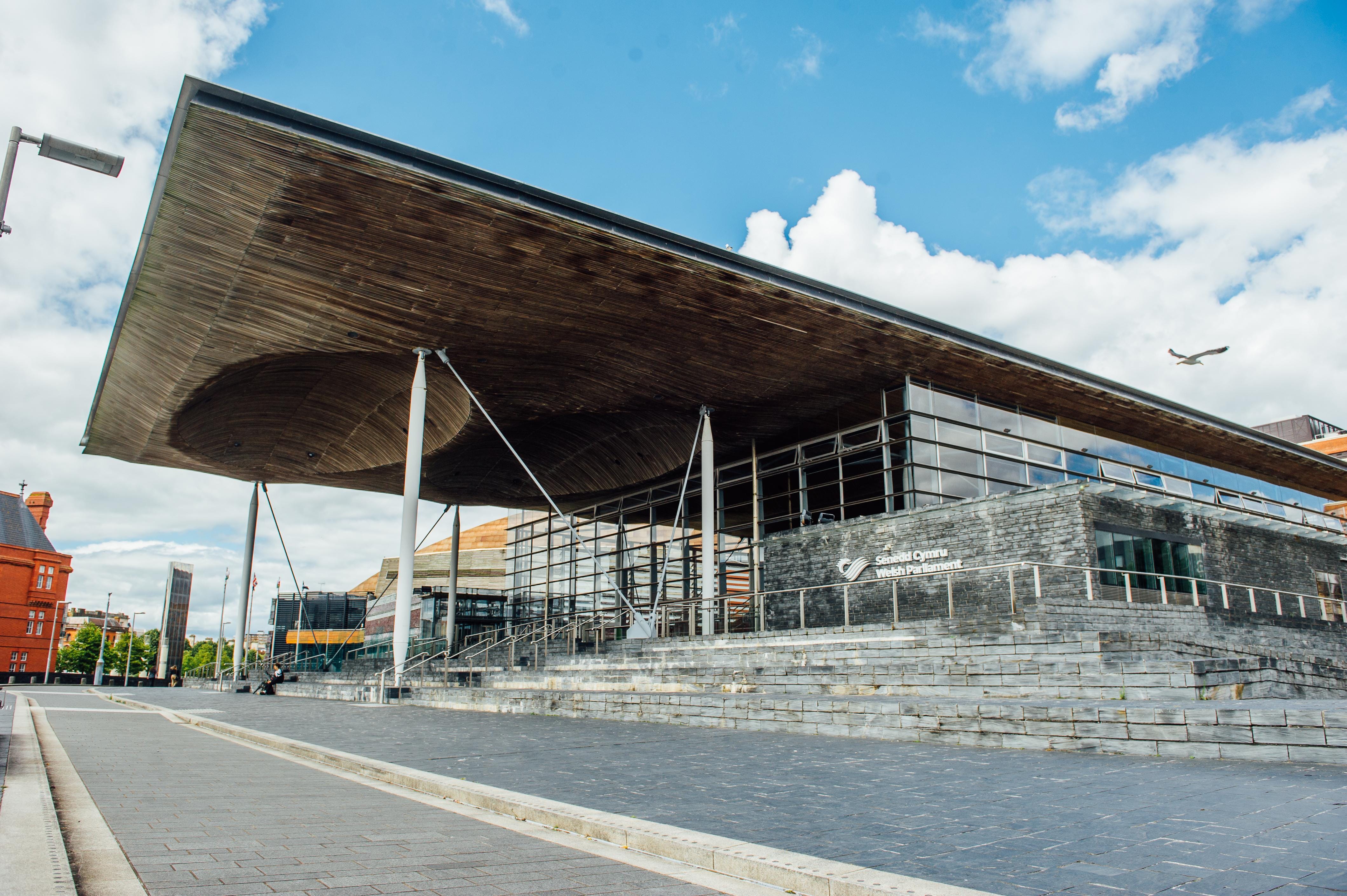
Just 50.3 per cent voted Yes. And I do wonder just how honest that figure was!
Yet from that wafer-thin mandate grew an institution that has accumulated ever greater powers and now has 96 members
Let’s ask the reasonable question as to what has Wales received in return.
Let’s take a look at education.
The latest PISA results were released this very week. Welsh pupils scored 476 in science, below the OECD average of 482. Reading was 459.
Mathematics was 456, again below the OECD average, and significantly below the Welsh scores recorded in 2015, 2018 and even 2022!
These number are absolutely damning and the product of a quarter-century of devolution. It’s not much of an inspiration, is it?
Let’s turn to the Welsh NHS because that is a real horror show!
At the end of December 2025 there were just under 741,000 patient pathways waiting to start treatment. The provisional January figure was still around 713,000.
This in a country with a population of just over three million.
With so much obvious failure, what does the new Plaid Cymru-led administration want?
More powers. Of course it does. More separation from Westminster.
The answer to the failures of devolution is apparently always more devolution.
Funny how that one works!
Last Monday we saw the Scottish, Welsh and Northern Irish First Ministers come together in Cardiff to make grandiose declarations about self-determination.
What exactly does that do for somebody waiting for a hip operation in Wales? How does it improve a child’s maths? How does constitutional theatre create even a single extra GP appointment? The answer is that it doesn’t but that is what devolved government has become.
It’s a big stage on which Separatist politicians can act out their ideological fantasies while the rather more mundane business of delivering competent government deteriorates around them.
AND THEN THERE IS NORTHERN IRELAND!
As readers know, I live in Northern Ireland, so I don’t need anyone to explain the wonders of devolution to me. I proudly campaigned AGAINST devolution here but the political forces pushing it through were unstoppable.
Northern Ireland is different because the devolved settlement here arose from the Belfast Agreement and was designed partly around maintaining peace and sharing power between unionism and nationalism. I recognise that though I still think it was morally wrong. The particular devolution we got pivoted around keeping the IRA’s proxies in Sinn Fein in power in perpetuity! You can understand my stress on that!
But we are still entitled to judge it by results. And the results are grim.
Stormont has collapsed repeatedly. Between 2017 and 2020 there was no functioning devolved government. Then it collapsed again between 2022 and 2024.
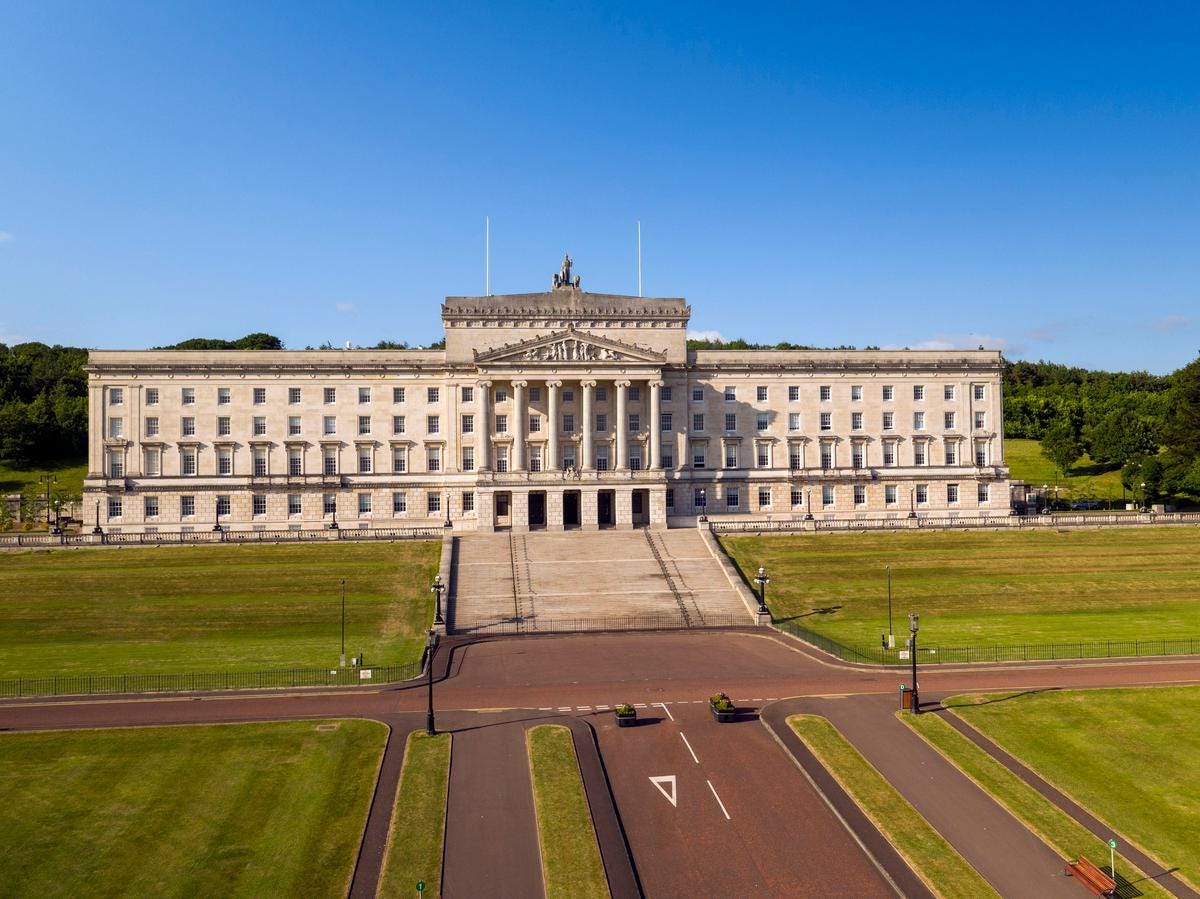
For years some claimed that direct rule from Westminster an intolerable democratic outrage. Meanwhile, when Stormont actually existed, its political parties regularly proved incapable of taking difficult decisions.
Once again, let’s have a look at our health service.
The latest official figures are astonishing.
At the end of June 2026, 504,537 people were waiting for a first consultant-led outpatient appointment. The median wait was 59 weeks. More than half of those patients had been waiting longer than a year. Another 81,223 people were waiting for inpatient or day-case admission. More than 231,000 were waiting for a diagnostic test.
This is what political failure looks like. And please don’t tell me that Stormont simply needs more money. That’s the easy opt out.
Money matters. I am not naive but political leadership matters too.
Reform matters. Taking unpopular decisions matters.
Instead, Northern Ireland politics is trapped in an endless constitutional argument while the health service slowly collapses. And now the Sinn Féin First Minister travels to Cardiff to participate in political theatre concerning the future constitutional arrangements of the United Kingdom.
How about fixing Northern Ireland?