
Unintended Consequences
The David Vance BriefingRead More
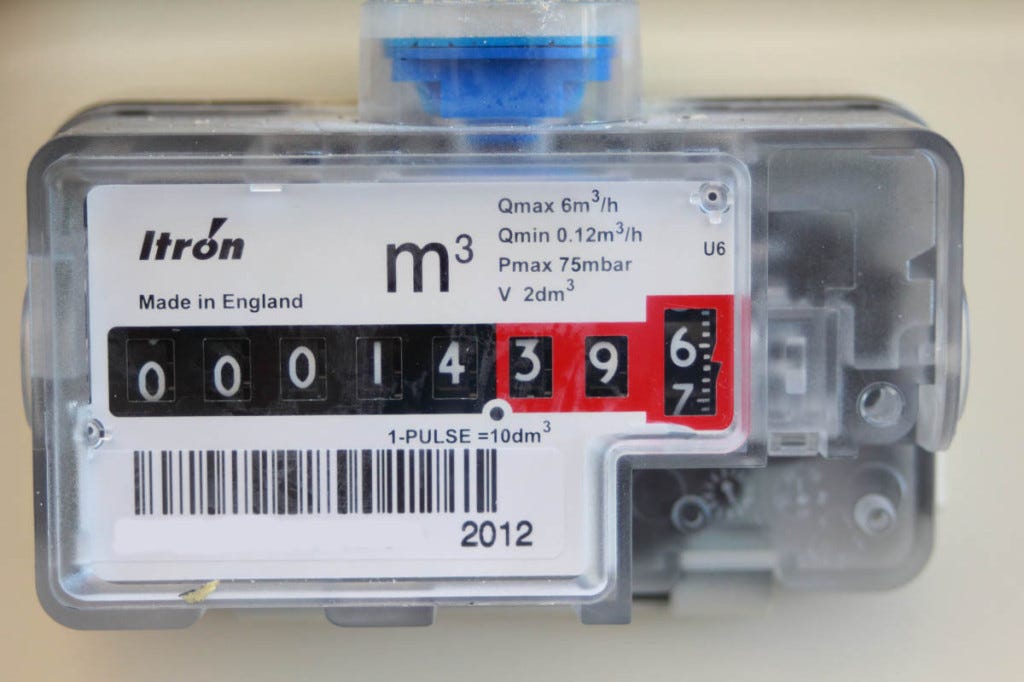
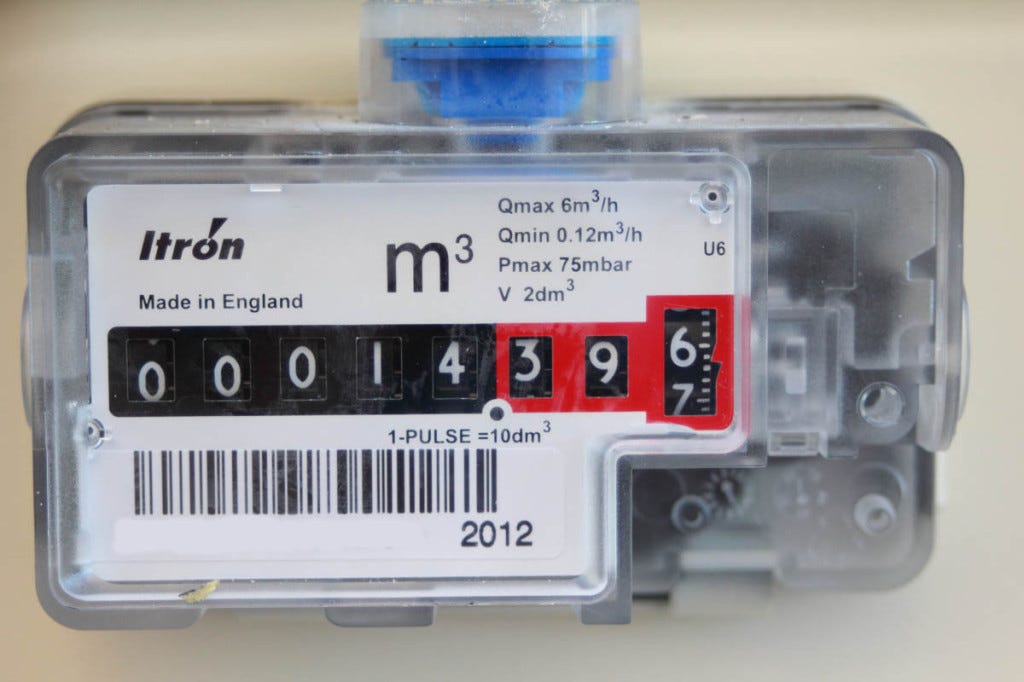
There is nothing worse than socialists coming out with half baked ideas that they think will be populist but which you know will end in disaster and making things even worse. So it was the other day when UK Mayor Andy Burnham suggested that his Government may try to remove the standing charge from gas bills. Here he is making the suggestion;
“I can tell the House today that I have asked the Chancellor (John Healey) and the Energy Secretary (Miatta Fahnbulleh) to look at whether we can remove standing charges from gas bills and to report back to this House at the earliest opportunity.”
This is classic Burnham playbook. It sounds like it might help until you think about it a little deeper. So let’s do that right here.
For starters, what IS the standing charge, precisely?
According to British Gas, it is a fixed daily fee that you pay for having a gas and/or electricity supply connected, regardless of how much energy you actually use.
So the next question what is if for?
Well, according to British Gas and Ofgem, the standing charges help pay for:
-
Maintaining the pipes, cables and network that deliver energy to your home
-
Metering, billing and other operating costs
-
Social and environmental schemes (e.g. support for vulnerable households)
When we get our gas bills, they show two cost elements. There is the FIXED Standing Charge and then there is the VARIABLE Unit rate. The latter is the price per kilowatt-hour (kWh) for the energy you use.
Burnham is talking about REMOVING the Fixed cost. That would give an approx saving per household that just uses gas of £108.
Not bad, I hear you say and every little helps, right?
Wrong. The Energy company still has to cover its cost so the certainly is that it will simply transfer the cost across and increase the variable unit rate. This is where things start to go wrong for at least some groups.
At one level, all this does is make sure that those who use the most gas pay that bit more whereas those who use less will pay less. The problem here is that if you consider groups with fixed incomes like pensioners, they often use greater than average energy to heat their homes as they spend much of their time indoors. So they will end up paying MORE than they do now. Their only incentive is to turn down the thermostat and consume less gas. But that means colder homes. Because they often live in older properties, with less efficient insulation, they will be in a double bind.
How does this help?
There are other groups that will suffer. There will be people with disabilities/sickness that keep them indoors much more than normal. Once the
Burnham doesn’t care – he is chasing the headline, not the reality!