Under 16 social media bans don’t work
David Vance SubstackRead More
Let’s take a quick visit to Australia and look at what has happened there in the aftermath of Prime Minister Anthony Albanese’s social media ban on under 16’s accessing social media. This is instructive as it seems that the UK is about to follow the same route.
Firstly, Australia’s so‑called “internet ban” for under‑16s is not really an internet ban at all. It is a minimum‑age rule for social media accounts on major platforms, including TikTok, Instagram, Facebook, YouTube, Snapchat, Reddit, X, Twitch, Threads, and Kick. This law came into force on 10th December last year, barring teenagers from creating or keeping accounts on these services unless they can prove they are at least 16.
The Albanese government says the ban is working. Officials point to 4.7 million under‑16 accounts removed or disabled across platforms, with Meta reporting 173,000 removed from Facebook and 50,000 from Instagram, and Snapchat disabling more than 100,000 accounts. But those figures are all just paper figures. They don’t show whether accounts were then quickly re‑created, they don’t distinguish between first‑time and repeat violations, and they don’t reflect how many teenagers are still using social media through other loopholes.
In practice, the ban is failing. Two months after launch, ABC reporters found that most teenagers interviewed had not been blocked from social media at all. Many used simple tricks: borrowing a friend’s driver’s licence, using a friend’s face for facial‑verification prompts, or switching to platforms that didn’t enforce age checks properly. One teen estimated only 10 percent of under‑16s were truly banned, and half of that group reactivated accounts using the same methods!
There are also real problems. Some users who should not have been affected lost access, including older teens who simply misidentified themselves during verification or adults caught in the cleanup. Most Aussie teenagers feel that the ban feels pointless because workarounds are widespread and enforcement is patchy.
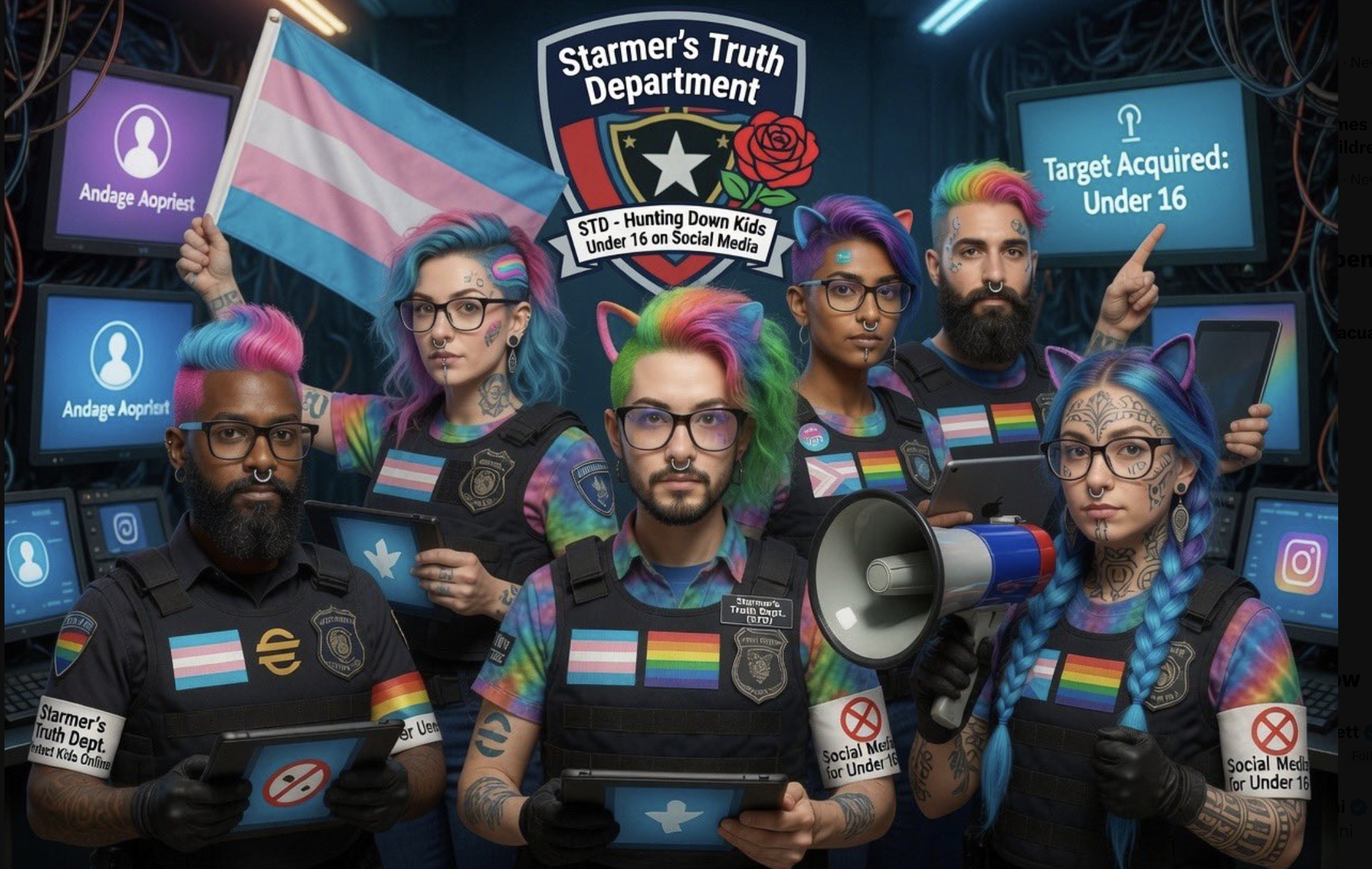
Under Starmer, the UK is now considering a similar under‑16 social media ban. The government has been talking about a minimum‑age rule that would mirror Australia’s approach, with penalties for platforms that fail to enforce it. The UK is chasing the same policy that Australia has struggled to implement. If the UK follows Australia’s model, it will face the same enforcement gaps, the same verification failures, and the same workarounds.
In the end, Australia’s under‑16 social media ban is a paper success and a practical failure. It has removed millions of accounts, but most teenagers are still using social media. The ban has forced platforms to invest in age verification, but that verification is still limited. And it has created new problems for users who should not have been affected.
The short answer is clear: the ban has not worked as a ban. It has removed accounts on paper, but not stopped use in practice.
It’s a classic example of “something must be done” by tech illiterate politicians!