Trump’s Versailles Memo of Understanding (MOU)
David Vance SubstackRead More
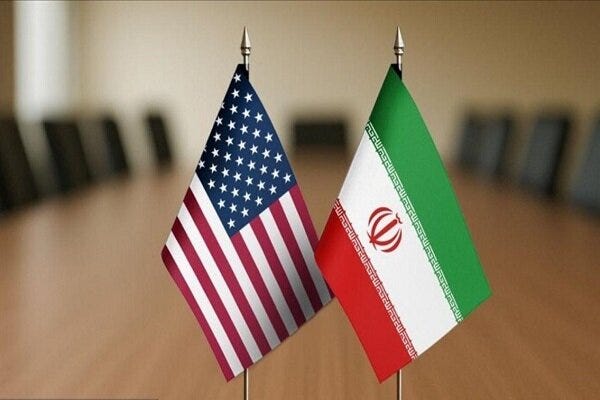
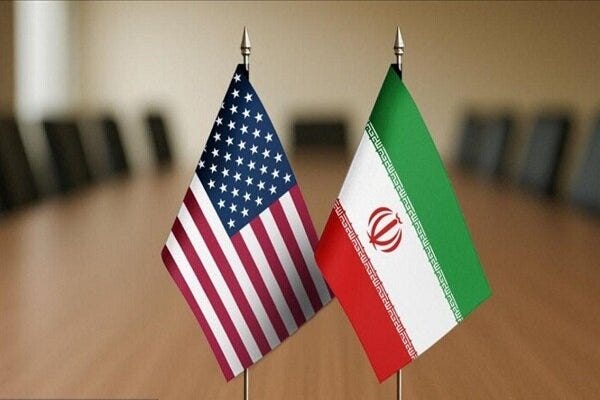
So now we see it. The 14-point Memorandum of Understanding (MOU) between the US and Iran has already been signed electronically and is set for formalisation in Geneva tomorrow. That’s going to be a horror show but here’s what is wrong with it, and believe me, it’s most of it
1. Immediate & Permanent Ceasefire on All Fronts (Including Lebanon):
This is purely aspirational but unenforceable without addressing root causes like Iran’s proxy terror networks (e.g., Hezbollah, Hamas, Houtis). Israel has already voiced very strong reservations and is most unlikely to halt operations in Lebanon tied to its security. A “permanent” ceasefire in a region with deep conflicts often collapses quickly. Past ceasefires (e.g., post-2006 Lebanon) have all proven temporary. This risks allowing Iran time to rearm proxies while claiming victory.
2. Reopen the Strait of Hormuz Immediately (Toll-Free), Shipping Back to Pre-War Levels in 30 Days.
Reopening is economically vital (restoring ~20% of global oil flow), but Iran retains de facto control and has mined or threatened the strait before. “Toll-free” language is very vague—Tehran will interpret it as allowing regulatory fees or selective enforcement. Mines clearance timelines are wildly optimistic; any delays could prolong oil price volatility. This primarily benefits Iran by restoring export revenue without ironclad demilitarisation guarantees.
3. Lift the US Naval Blockade on Iranian Ports (Phased Over 30 Days)
Unilateral US concessions remove leverage early. Blockades were a key pressure tool post-conflict escalation. Trump has said as much. Phased lifting rewards Iranian compliance that has yet to be proven echoes criticisms of the 2015 Obama JCPOA where sanctions relief preceded verifiable changes. It signals real weakness to bigger adversaries like China and Russia, who will see reduced US resolve in the Gulf.
4. Sanctions Relief: Waivers on Oil Sales and Other Measures, Tied to Compliance:
“Tied to compliance” is the classic diplomatic loophole. Iran has historically exploited waivers for humanitarian or limited oil sales while advancing its program. Temporary waivers risk becoming permanent via creeping normalisation, flooding markets with Iranian oil and funding proxies/missiles. This is a repeat of Obama-era mistakes without addressing ballistic missiles or regional destabilisation. Trump has even said on the record that Iran can have ballistics! The gall of this is amazing.
5. Release of Frozen Iranian Assets (Up to $25 Billion)
Front-loading billions provides Tehran with hard currency for reconstruction and reconstitution of all kinds of capabilities. History shows frozen funds often indirectly support IRGC activities. US claims of “performance-based” releases are undermined by lack of verification challenges and Iranian denials of timelines. This resembles a ransom payment after conflict, boosting regime resilience rather than forcing concessions.
6. Iran Commits to Never Acquiring a Nuclear Weapon and Resolving Enriched Uranium Stockpile:
Iran has long claimed its program is peaceful while enriching near weapons-grade levels. A vague “commitment” without immediate stockpile removal, centrifuge limits, or snapback mechanisms is just empty non-binding rhetoric. The MOU defers details to 60-day talks, giving Iran more breathing room. IAEA access remains contested and all the past violations suggest non-compliance is very likely. This does not “deny” a bomb—it just manages the timeline for a bomb.
7. 60-Day Negotiation Window for a Comprehensive Follow-On Deal (Nuclear Limits Under IAEA Oversight):
60 days – which might be then extended – seems unrealistically short for complex issues like enrichment caps, missile programs, and proxies. It will end up with endless extensions or a weak “framework” that legitimises Iran’s thresholds.
8. US-Led Reconstruction Support (Potential $300 Billion Plan)
Pledging massive funds post-conflict rewards aggression and subsidises a regime with a history of destruction and diversion. “US-led” sounds positive but could become an open-ended commitment with limited oversight. I’ve seen it compared it to a post-WWII Marshall Plan gone wrong (”Nazis still in charge”!). It also entrenches the Islamic Republic economically without the critical regime behaviour change.
9–14. De-Escalation, Non-Interference, Regional Stability, Verification Mechanisms (and Residual Points)
This is all boilerplate diplomatic language. “Non-interference” cuts both ways but ignores Iran’s asymmetric warfare doctrine. All Verification relies on IAEA, which has been thoroughly gamed before. Regional stability clauses exclude the terror proxies, allowing continued destabilisation via Hezbollah/Houthis. Overall, the MOU prioritises short-term de-escalation and oil flows over any long-term containment. This will leave enforcement to future (and potentially much weaker) US administrations.
This MOU buys time but looks set to repeat past failures. The success of it hinges on rigorous 60-day follow-through, which history suggests is improbable.
The truth that we must speak out is Iran has used asymmetric power to force Trump into this craven surrender.