Back to the 1970’s with Labour!
David Vance SubstackRead More
There is quite a lot of talk amongst some economists of an IMF bailout for the UK because the country’s public finances look increasingly fragile. Public debt is hovering around 100% of GDP, debt servicing costs are soaring, and recent borrowing has remained very high. That does not mean a rescue is imminent, but it does mean the UK is more exposed than it once was if markets lose faith in its fiscal path. That is why Andy Burham is suggesting he would keep Rachel Reeves in Downing Street IF he was to become Labour Leader later this year. They desperately need to keep the markets on side even if they hate the markets.
The biggest risk is not the classic foreign-currency crisis. Unlike in 1976, the UK borrows in its own currency, so it is less likely to run out of dollars or face a sudden external funding squeeze. But confidence can still evaporate. If investors conclude that debt is rising faster than the government can control it or wants to control i, they can demand higher yields, which pushes debt interest higher and makes the problem worse.
That kind of “doom loop” is what is worrying economists. The OBR has warned that even IF the government reversed tax rises and abandoned spending cuts, debt can keep climbing and the country could still face a “sudden stop” in market access.
Recent economic analysis also points to three pressure points that make the UK stand out amongst western economies. These are weak confidence in fiscal policy, the Bank of England’s continued bond sales, and concerns that inflation will stay higher for longer. Together, those forces can keep borrowing costs elevated even without a formal crisis.
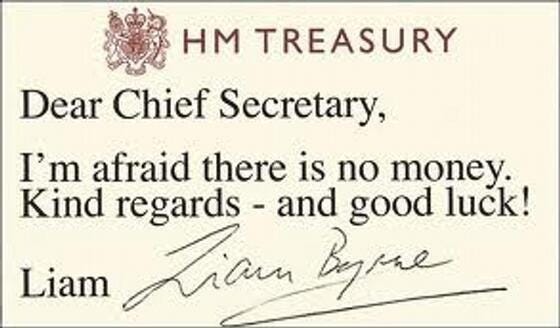
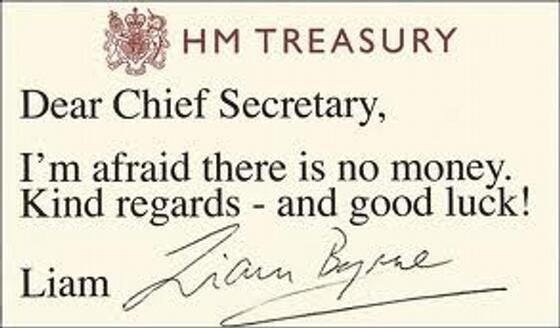
The comparison with 1976 is powerful. In that year, although I was but a teenager, I do remember it dominating the news. The UK Government needed a $3.9 billion IMF standby loan after sterling came under intense pressure, inflation was high, and the fiscal deficit was around 10% of GDP. The IMF loan came with spending cuts but helped restore market credibility. That episode still hangs over British politics, which is why current warnings about an IMF return should attract attention.
There are also broader economic weaknesses that could push the UK closer to trouble. Growth has been inconsistent, borrowing has stayed high, and external shocks such as energy-price spikes can hit household spending and government finances at the same time. If recession, inflation, and rising debt all converge, the government will have less room to operate.
I think that an IMF bailout, whilst unlikely in the near term, is not impossible in a severe stress scenario. Probably much more likely is that the UK could face a market-driven fiscal crisis first, forcing the government into sharp spending cuts, tax rises, or both. Framing it in this context, the IMF debate is really about whether the British Government can restore credibility before the markets do it for it.
Under Labour, I find that unlikely.