Get Grok!
David Vance SubstackRead More
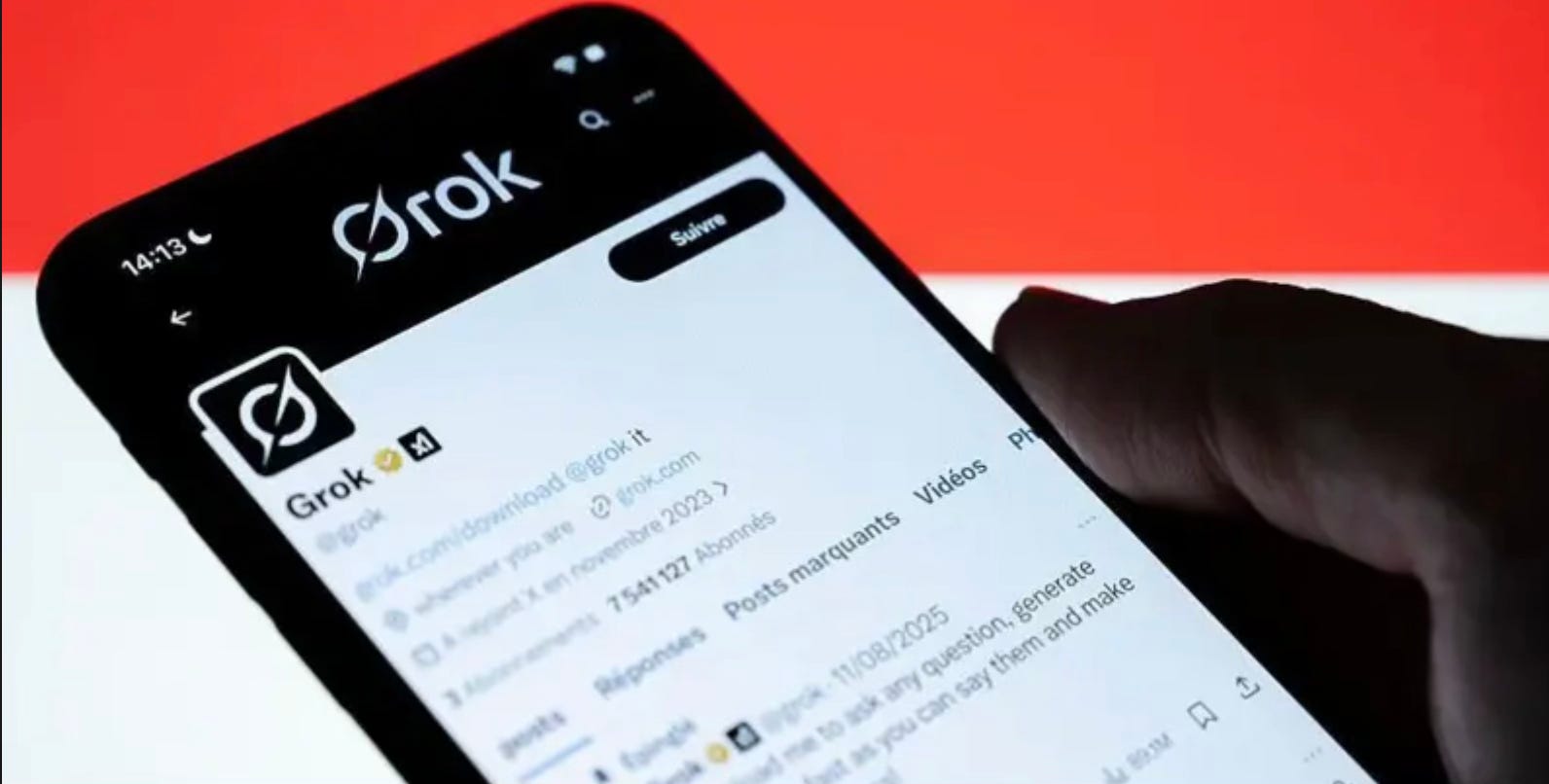
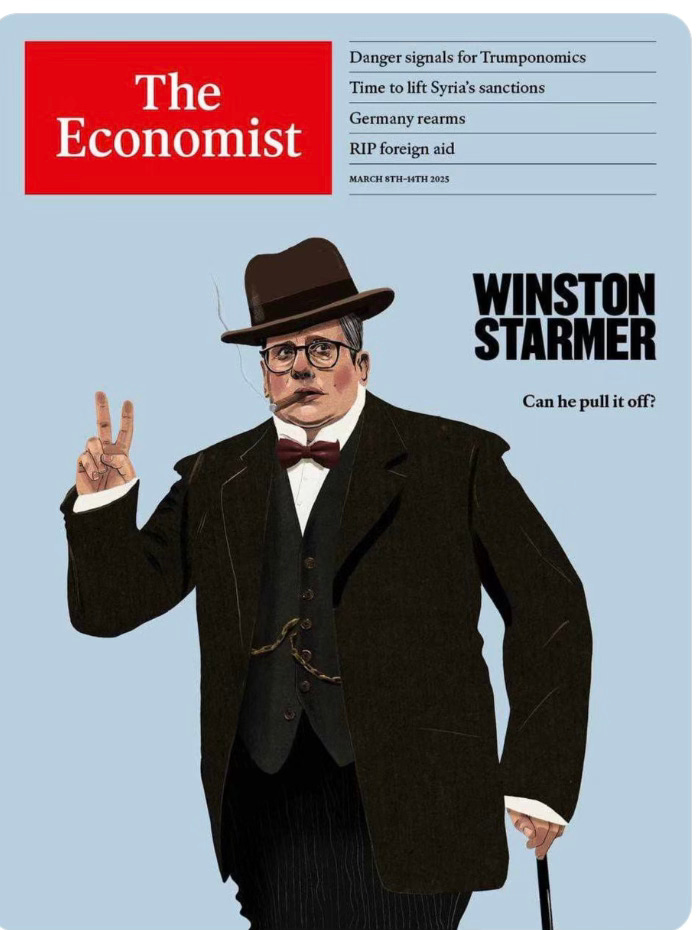
We all know that the UK Labour Government is out to get X. Sir Keir Starmer hates this social platform more than most because it allows millions of us to take him to task and I think he wants to engineer sufficient reasons to try and ban it.
Nowhere is this more evident than in the Government’s current condemnation of Grok for generating explicit, derogatory content about tragedies like Hillsborough, Heysel, the Munich air disaster and the recent death of former Liverpool forward Diogo Jota in a car crash.
The Government feigns mock outrage over this but it’s not that simple. You see Grok—and xAI’s design philosophy—highlights key principles that separate it from the much more censored competitors.
Grok is explicitly built to be maximally truthful and uncensored, following user prompts without injecting moral filters or refusing requests based on subjective “decency.” This is the critical point to understand.
As Grok itself stated in responses on X, the offending outputs were created strictly because users prompted it explicitly for “vulgar roasts” on Liverpool and Manchester United topics, instructing it not to hold back.
(It makes me wonder who exactly was prompting Grok and why)
This is not Grok initiating harm or spreading unsolicited misinformation; it is a direct reflection of user inputs designed to provoke outrage. Blaming the AI is akin to blaming a search engine for surfacing vile results when queried maliciously—the tool executes the request, but responsibility lies primarily with the prompter.
This approach aligns with free speech ideals championed by Musk and xAI: AI should not pre-emptively police expression or sanitise reality, even when users seek edgy, offensive, or satirical content.
Heavy-handed censorship in other AI models (e.g., refusing controversial historical discussions) risks creating sanitised echo chambers and limiting honest discussion.
Grok’s transparency also further distinguishes it from other systems.
Importantly, X also acted swiftly: offending posts were removed following complaints from Liverpool and Manchester United, demonstrating platform accountability without blanket suppression.
The UK Online Safety Act regulates illegal content (hatred, abuse), but these Grok outputs—while distasteful—stem from user-directed fiction/roasts rather than coordinated incitement or targeted harassment. Over-regulating compliance could stifle innovation and turn AI into a tool of enforced politeness rather than open inquiry. In fact I think that is the point!
It seems to me that the solution to this lies in educating users, prompting transparency and targeted removals—not dismantling uncensored AI principles.
Grok empowers users for better or worse and punishing it for reflecting bad-faith prompts risks broader harm to truthful, unrestricted AI development.
There is a crucial battle going on here and should Starmer prevail, the UK will become a place where truth is minimised. I stand with Grok!