Danger of Leaking LPG Gas Cylinders
Salil Gewali
Recently, an increasing number of consumers have reported gas leaking from cooking cylinders. This is not merely a household hassle but a potentially fatal hazard. My family faced the same ordeal a few days ago. Despite repeatedly calling the gas agency to resolve the issue, no staff member has shown up. Luckily, we had a spare cylinder to fall back on. However, most households do not have this option and may feel compelled to use a leaking cylinder, putting their families at serious risk. Even a small spark could cause a devastating fire or explosion.
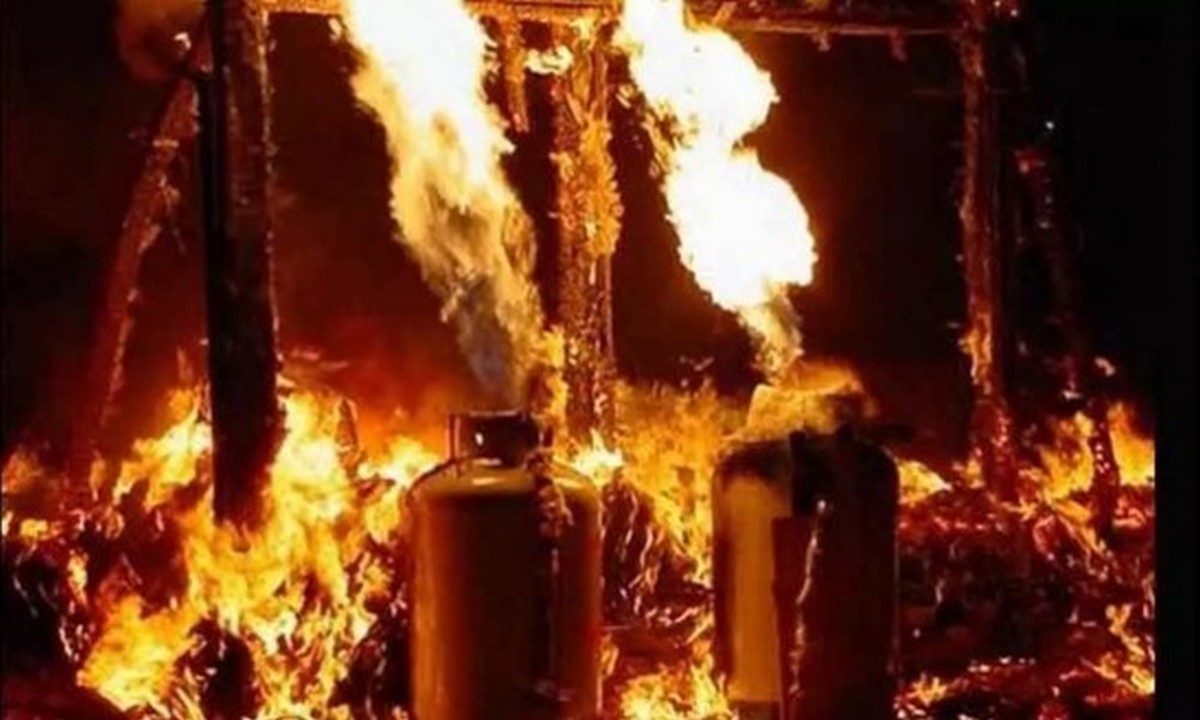
In April, a major fire broke out at a hotel in Motphran, Shillong after a gas leak. Within an hour, the blaze gutted all the furniture and left the premises in ruins. In July 2026, a suspected LPG cylinder explosion ripped through a rod manufacturing factory at Pangram in Udharbond, Cachar district. The tragedy claimed the lives of four workers, injured several others and caused extensive damage to the premises. On 2 June 2026, a massive explosion occurred in Mukundpur, Delhi, during the alleged transfer of gas from large commercial cylinders into smaller ones. The blast caused a one-story building to collapse. Eleven workers were rescued from the debris, while one woman suffered severe burns and was reported to be in critical condition. These are only a few examples of how negligence or improper handling of fuel can endanger lives.
It is deeply worrying that such a basic safety requirement is being completely ignored. Gas agencies handling LPG cylinders must take full responsibility and ensure that every cylinder is thoroughly inspected before delivery. Proper leak testing using a soap and water solution or electronic detectors, along with the inspection and timely replacement of the rubber sealing washer, should be made mandatory. Agencies must also adequately train their staff and stop delaying action when consumers raise complaints.
In light of these dangers, I strongly urge the authorities concerned to issue strict instructions to all gas agencies. Cylinders must be inspected and certified as safe before being handed over to consumers. Regular awareness campaigns should also be conducted so that households know how to check for leaks and what emergency steps to take. No gas agency should shirk its responsibilities under any circumstances. Remember, sometimes a single careless spark is enough to turn a kitchen into a blazing inferno and put an entire household at risk. We have seen far too many such incidents caused by gas leakage, unsafe handling and cylinder explosions.
Old adage “we should not play with the fire” should now be rewritten as we paly with gas”.
******************
A writer and researcher based in Shillong (India), Salil Gewali is best known for his research-based work, ‘Great Minds on India’, which has earned worldwide appreciation. His book has been translated into fifteen languages and edited by a former NASA scientist, Dr. AV Murali of Houston, USA. Gewali is also a member of the International Human Rights Commission Zürich, Switzerland.
More information on WIKIPEDIA: https://en.wikipedia.org/wiki/Salil_Gewali